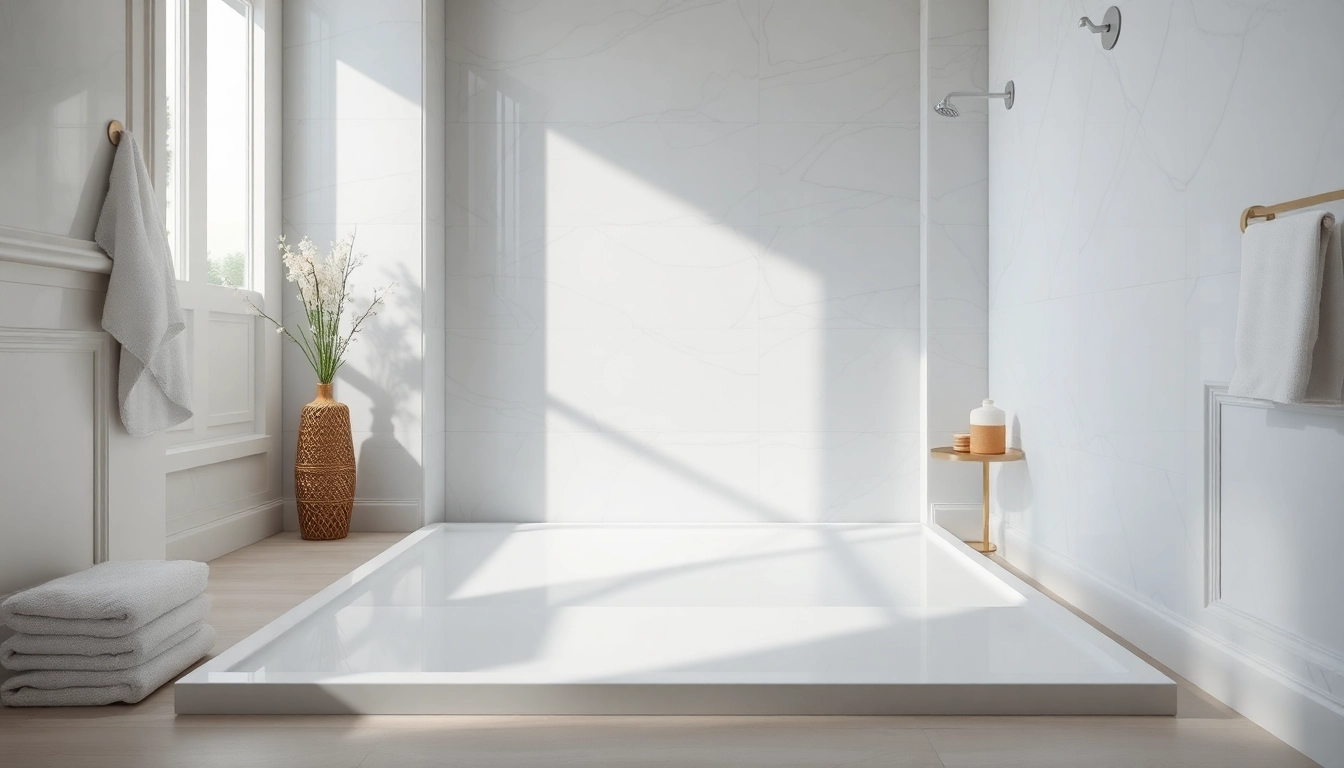
Introduction to Shower Base Selection
Choosing the right shower base is a critical decision in bathroom design, influencing both functionality and aesthetics. The shower base serves as the foundation of your showering area, impacting water drainage, safety, and the overall look of your space. In this guide, we'll explore essential factors to consider when selecting a shower base, from material types to design aesthetics, and practical considerations for installation and maintenance.
Understanding Shower Base Types
Shower bases come in various types, each designed to meet specific needs and preferences. The most common types include:
- Prefabricated Shower Bases: These are ready-made units typically made from acrylic or fiberglass. They offer ease of installation and come in various shapes and sizes. Ideal for renovations, they make upgrading your space simple.
- Tile Shower Bases: Custom-built from tiles, these bases offer flexibility in design and aesthetics. While installation can be complex, the result is a unique, personalized look that blends seamlessly with custom tiling.
- Concrete Shower Bases: Highly durable, concrete bases can be molded to fit specific designs. They are perfect for contemporary bathrooms but require professional installation due to their weight and complexity.
- Stone Shower Bases: Made from natural stone, these bases not only provide a luxurious feel but are also incredibly durable. However, they often require special treatment to prevent water absorption and staining.
Importance of Material in Shower Base Design
The material of your shower base plays a vital role in overall performance and maintenance. Each material comes with its advantages and disadvantages:
- Acrylic: Lightweight, resistant to stains, and available in many colors. It requires minimal maintenance but can be easily scratched.
- Gel-coated Fiberglass: Affordable and lightweight, it reflects light well and resists moisture.
- Porcelain and Ceramic Tile: Offers design versatility but can require grout maintenance over time, which may be prone to mold and mildew.
- Natural Stone: Provides a luxury aesthetic but requires sealing for protection against water damage and stains.
Common Sizes and Dimensions for Shower Bases
Shower bases typically come in standard sizes, though custom options exist. Common dimensions include:
- 36” x 36”: A popular square option for compact bathrooms.
- 32” x 60”: Typically used for alcove installations, providing ample space.
- 48” x 48”: Generous space for a relaxing shower experience.
- Custom Sizes: For unique bathroom layouts, custom shower bases can be created to fit your exact measurements.
Evaluating Style and Aesthetics of Shower Bases
The style of your shower base should complement the broader design of your bathroom. This section delves into the fusion of functionality and aesthetics, leading to a harmonious bathroom environment.
Matching Shower Base Designs with Bathroom Decor
Choosing a design that matches your overall bathroom decor can create a cohesive look. Consider the following styles:
- Modern: Opt for clean lines and minimalist designs in colors like white or gray.
- Traditional: Choose decorative ceramic tiles or stone bases that enhance classic decor.
- Rustic: A natural stone shower base can provide an earthy feel that complements rustic designs.
Influence of Color on Your Shower Base
Color selection can impact the perception of space and cleanliness. Light colors often make a space feel larger, while darker colors can create intimacy. Popular colors for shower bases include:
- White: Timeless and versatile, often used in modern aesthetics.
- Gray: Offers a contemporary look while showing less water spots.
- Beige or Earth Tones: Adds warmth while blending with natural materials.
Popular Trends in Shower Base Styles
Staying updated with trends can elevate your bathroom’s style.
- Curbless Showers: Increasingly popular for accessibility and modern appeal, allowing seamless entry.
- Mixed Materials: Combining elements like concrete and stone for a unique look.
- Textured Surfaces: Non-slip textures enhancing safety while also being visually appealing.
Practical Considerations for Selecting a Shower Base
Beyond aesthetics, several practical aspects should be evaluated to ensure the shower base fits your lifestyle and bathroom layout.
Assessing Drain Location and Water Flow
Drain location is critical for functionality. Consider the following:
- Standard Center Drain: Works well for most configurations but may limit design flexibility.
- Wall Drain: Ideal for curbless designs, allowing for a seamless transition and minimalist look.
Additionally, ensure proper water flow by evaluating the slope of the base during installation to prevent pooling.
Maintenance Requirements for Different Shower Bases
The ease of maintenance varies by material. Here’s a comparison table:
MaterialMaintenance FrequencyCommon IssuesAcrylicMonthlyScratchesFiberglassMonthlyDiscolorationCeramic TileWeeklyGrout moldNatural StoneWeeklyStains if not sealed
Cost Factors Involved in Shower Base Selection
Understanding the cost breakdown can help manage your bathroom renovation budget. Key factors include:
- Material Costs: Higher for natural stone or custom tile.
- Labor Costs: Installation complexity can significantly impact labor expenses.
- Long-term Maintenance: Consider ongoing cleaning and possible repairs.
Installation Tips for a Successful Shower Base
Successful installation ensures longevity and optimal function. Here’s what you need to consider.
Hiring Professionals vs. DIY Installation
Deciding between hiring professionals or DIY installation hinges on your skills and the complexity of the shower base:
- Hiring Professionals: Generally recommended for complex installations, ensuring a proper fit and seal.
- DIY Installation: Possible for simpler models, but detailed instructions and an understanding of plumbing are crucial.
Pre-Installation Checklist for Shower Bases
To ensure a successful installation, consider the following checklist:
- Verify measurements twice to avoid costly errors.
- Inspect plumbing for leaks or damage.
- Ensure floor strength can support the selected base.
Post-Installation Maintenance for Longevity
Once installed, regular maintenance is key. Consider these practices:
- Seal grout on tile bases to prevent moisture damage.
- Regularly clean non-slip textures to maintain effectiveness.
- Inspect for signs of damage or wear that may require repairs.
Frequently Asked Questions About Shower Bases
What is the best material for a shower base?
The best material depends on personal preference and usage. Acrylic is popular for easy maintenance, while natural stone offers luxury but requires more upkeep.
How do I choose the right size shower base?
Consider available space and plumbing layout. Note standard sizes or consider custom options to fit unique layouts. Always measure accurately.
Can I install a shower base myself?
DIY installation is possible for simpler models. However, complex installations are best left to professionals to avoid issues with drainage and sealing.
What maintenance do shower bases require?
Maintenance varies by material. Acrylic requires regular cleaning, while tiles need grout sealing. Check for and address any wear or damage promptly.
How do I prevent water pooling in my shower base?
Ensure proper slope during installation towards the drain. Regular maintenance and cleaning can also help prevent water pooling by ensuring unobstructed drainage.