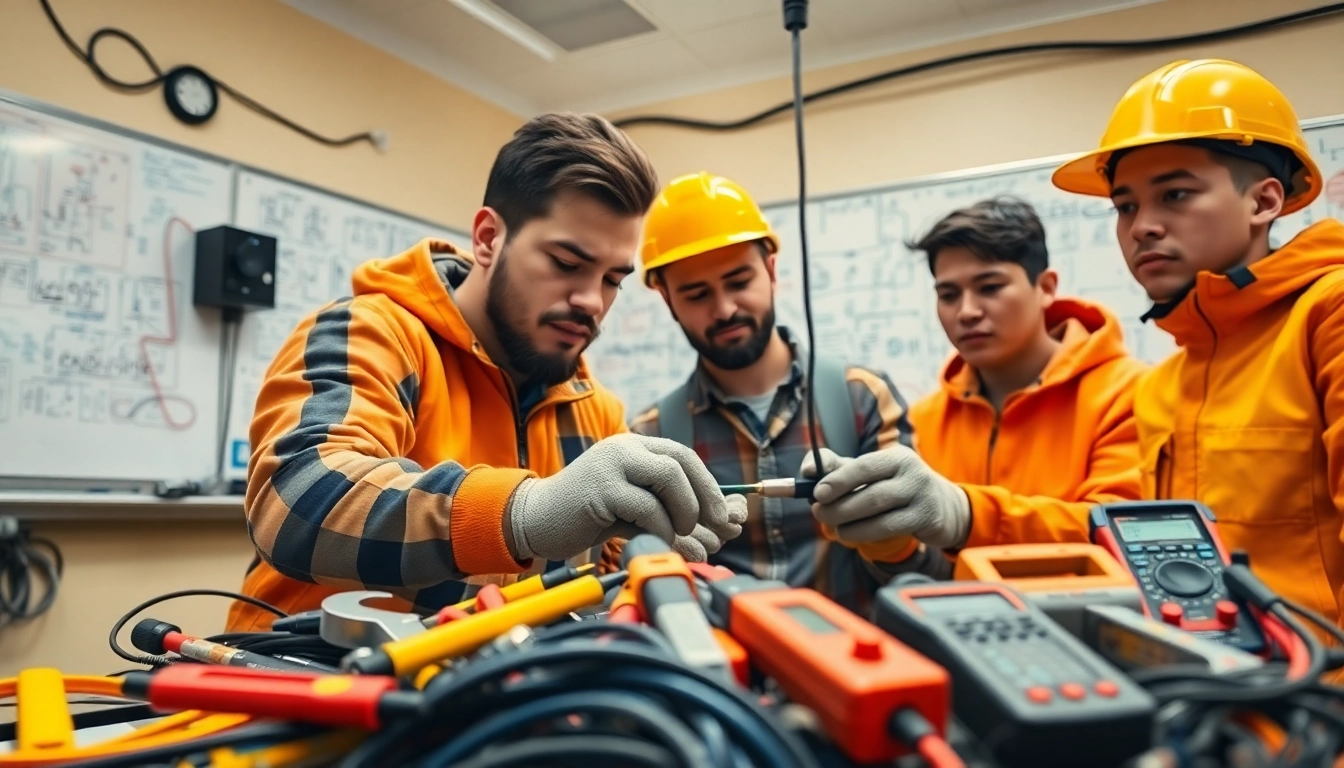
Introduction to Electrician Trade Schools in Colorado
The demand for skilled electricians continues to grow, making electrician trade schools crucial for those aiming to enter the workforce. In Colorado, aspiring electricians can choose from a variety of training programs designed to equip them with the necessary skills for success. Whether you are seeking a classroom-based education or an apprenticeship that allows you to earn while you learn, there are numerous opportunities available. By attending an electrician trade school in Colorado, you can lay the foundation for a rewarding career in the electrical industry.
Importance of Training for Electricians
The role of an electrician is multifaceted and requires a blend of technical skills, problem-solving abilities, and comprehensive safety knowledge. Proper training is imperative to keep pace with the evolving electrical codes and technologies. Training programs offer prospective electricians the following benefits:
- Safety Protocols: Learning vital safety measures to prevent electrical hazards protects electricians and their clients.
- Hands-on Experience: Practical training allows students to work with real-world tools and scenarios, thus preparing them for fieldwork.
- Certification Preparation: Training courses often prepare students for necessary certifications and exams required in Colorado.
Overview of Electrician Programs in Colorado
In Colorado, there are various pathways to becoming an electrician, including apprenticeship programs, community colleges, and trade schools. Many programs afford students a mixture of classroom instruction and hands-on training to ensure a comprehensive educational experience.
Some notable institutions include:
- IEC Rocky Mountain
- Emily Griffith Technical College
- Colorado Springs JATC
Key Benefits of Attending Trade School
Attending a trade school has significant advantages such as:
- Focused Curriculum: Trade schools provide targeted training that prepares students for specific roles within the electrical field.
- Connection to Employers: Many schools establish relationships with local businesses, aiding students in securing internships and job placements.
- Flexible Schedules: Evening and weekend classes are often available to accommodate working individuals.
Types of Electrician Training Programs
Apprenticeship vs. Classroom Learning
When considering electrician training options, students primarily encounter two paths: apprenticeship programs and traditional classroom learning. Apprenticeship programs typically last 4-5 years, combining on-the-job training with classroom instruction. This format allows students to earn a wage while gaining valuable experience.
On the other hand, classroom learning usually spans 1-2 years, focusing on theoretical concepts, electrical codes, and safety protocols. While this path does not provide as much hands-on experience, it has the advantage of faster completion, allowing students to enter the workforce sooner.
Specialized Certifications
Specialized certifications enhance an electrician's credentials and marketability. Areas of specialization may include:
- Commercial Electrical Installation: Training focused on wiring for commercial buildings and systems.
- Solar Electric Systems: Certification programs that provide skills to work with solar technologies.
- Security Systems: Training that prepares electricians to install and maintain alarm and surveillance systems.
Continuing Education Opportunities
To remain competitive and compliant with evolving regulations, electricians should seek continuing education opportunities. Many trade schools and industry associations offer courses on recent code changes, new technologies, and specialized skills. Engaging in ongoing education helps electricians maintain their licenses and stay current in a rapidly changing field.
Choosing the Right Electrician Trade School
Accreditation and Licensing
Selecting an accredited trade school is crucial for ensuring quality education. An accredited program has undergone rigorous evaluation and meets industry standards. Students should verify that the school is recognized by the Colorado Department of Higher Education.
Geographic Considerations
Location plays an important role in selecting a trade school. Factors to consider include:
- Proximity to Home: Shorter travel times can help maintain work-life balance while studying.
- Job Market: Investigate the local employment market to determine which locations offer the best job opportunities after graduation.
- Industry Presence: Areas with a robust construction industry may offer more networking opportunities and partnerships with electrical contractors.
Curriculum and Hands-on Experience
Evaluate the curriculum offered by prospective trade schools, ensuring it covers essential topics such as:
- Electrical theory and code compliance
- Safety practices and procedures
- Hands-on training in various electrical systems
Schools that provide extensive opportunities for hands-on experience can help students become more proficient and confident in their skills.
Cost and Financial Aid for Electrician Training
Tuition Costs at Electrician Trade Schools
The cost of attending electrician trade schools in Colorado varies significantly based on factors such as program type, duration, and institution reputation. On average, tuition can range from $5,000 to $20,000. Community colleges may offer more affordable options, while specialized trade schools may charge higher tuition due to their focused training programs.
Scholarships and Grants Available
A variety of scholarships and grants are available to assist students in funding their education. Students should explore options such as:
- Federal Financial Aid: Completing the FAFSA can reveal eligibility for federal grants and loans.
- State Funding: Colorado offers state-specific grants for eligible students pursuing vocational training.
- Scholarship Opportunities: Look for scholarships specific to the electrical trade offered by trade organizations and community foundations.
Loan Options for Aspiring Electricians
For those who need additional financial support, federal and private student loans are available. It's essential to research the terms and conditions and choose loans that offer manageable repayment plans.
Career Opportunities After Electrician Training
Job Placement Rates and Support
Researching the job placement rates of different trade schools can provide insights into how effectively they prepare students for employment. Schools that offer strong job placement support often partner with local contractors, providing students with valuable job leads and internship opportunities.
Types of Roles and Salaries
Upon completing training, electricians can pursue various roles within the field. Common job titles include:
- Residential Electrician
- Commercial Electrician
- Industrial Electrician
- Maintenance Electrician
According to the U.S. Bureau of Labor Statistics, the median annual wage for electricians in Colorado is around $55,000, with opportunities for overtime and increased earnings through specialization and experience.
Long-term Career Growth Prospects
The electrical trade offers strong long-term career growth potential. As electricians gain experience, they can advance to supervisory positions, become independent contractors, or specialize in emerging technologies such as renewable energy systems. With ongoing training and education, the potential for career progression is extensive.