The Allure of the Retro Appliance
In recent years, the Retro Appliance trend has captivated both homeowners and designers alike. The nostalgia and aesthetic appeal of retro appliances resonate strongly with those looking to combine vintage charm with modern functionality. This guide explores the allure of retro appliances, outlining their benefits, styles, installation needs, and where to find the best options.
Defining the Retro Aesthetic
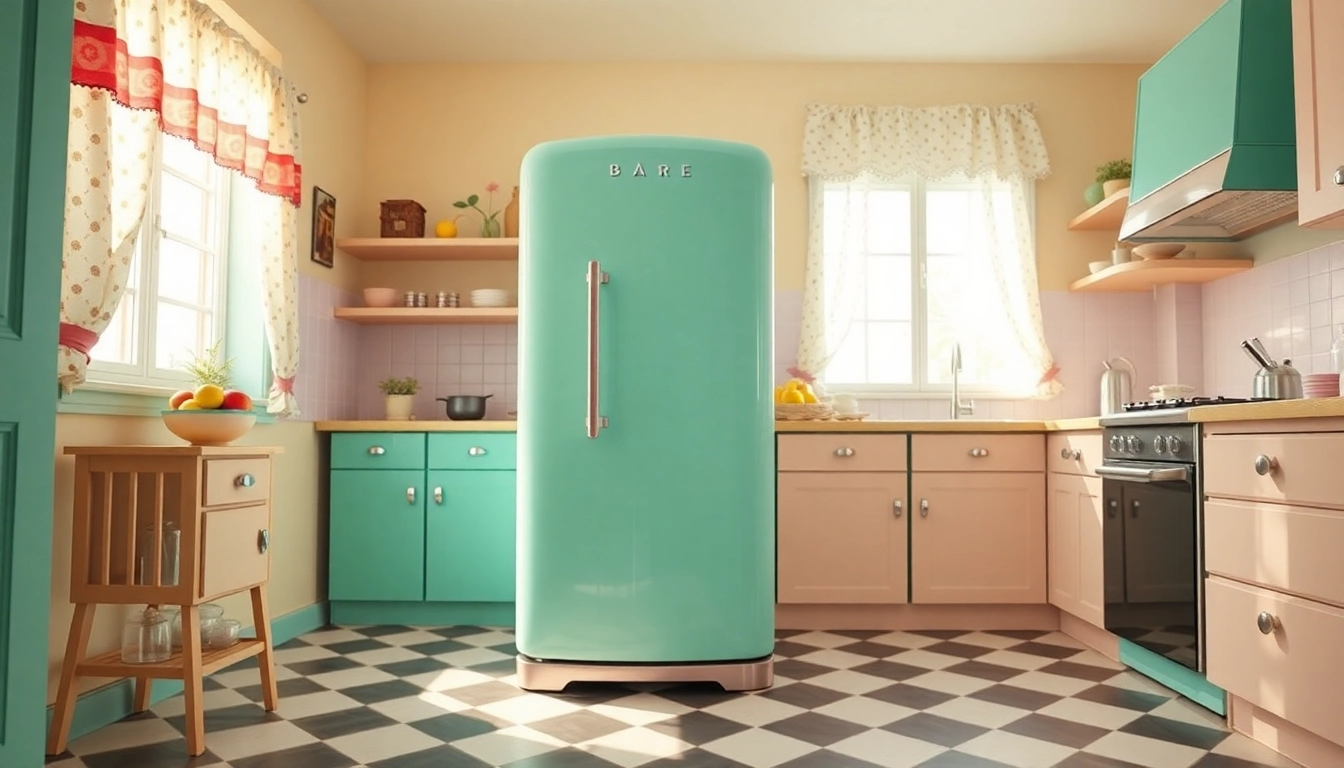
Retro style generally refers to design elements from the mid-20th century, particularly from the 1950s to the 1970s. Characterized by vibrant colors, playful forms, and nostalgic references, the retro aesthetic creates a whimsical atmosphere. Retro appliances reflect this style through rounded edges, bold color palettes, and patterns that were once staples in kitchens and homes. The look often includes chromed steel, pastel colors, and functional elegance, making these appliances not just useful but also decorative elements in home decor.
Benefits of Using Retro Appliances
One of the major benefits of retro appliances is their unique character; they can transform an average kitchen into a visually striking centerpiece. Their distinctive designs tend to be conversation starters and contribute to a personalized home aesthetic. Additionally, many retro appliances are built with quality craftsmanship, often outlasting their modern counterparts. On a practical level, they often feature modern technology concealed in vintage designs, offering a blend of efficiency and style.
Integrating Retro Styles in Modern Spaces
Integrating retro appliances into modern spaces offers a delightful contrast that can elevate the overall design. For instance, placing a cherry-red refrigerator in a sleek, minimalist kitchen can create a dynamic focal point. Homeowners can enhance this look by incorporating complementary elements like vintage tableware, retro-inspired light fixtures, or patterned textiles. The key is to strike a balance between vintage charm and contemporary utility to achieve a cohesive design that feels both inviting and stylish.
Types of Retro Appliances
Essential Retro Kitchen Appliances
When considering retro appliances for the kitchen, key items often include refrigerators, stoves, and mixers. Retro refrigerators come in a variety of colors and sizes, often boasting energy-efficient features that blend seamlessly with classic designs. Stoves and cooktops can feature chrome accents and control dials reminiscent of the past, while retro mixers and blenders not only perform well but also serve as decorative kitchen elements.
Unique Home Décor Appliance Options
Beyond functionality, retro appliances can also be utilized as intriguing home décor pieces. For example, a vintage-style popcorn machine or an old-fashioned toaster oven can serve as both a culinary tool and a conversation piece. These unique elements allow homeowners to express their personality and style while maintaining the charm of yesteryear.
Choosing the Right Color and Style
Choosing the right color and style for a retro appliance can dramatically enhance your space. Pastel colors like mint green, pale pink, or buttery yellow evoke feelings of nostalgia while being complementary to modern schemes. Meanwhile, bold hues like red, aqua, or even bright yellow can serve as striking centerpieces in a predominantly neutral kitchen. When selecting an appliance, consider how it correlates with existing decor, ensuring a harmonic blend of vintage and contemporary elements.
Installation and Maintenance of Retro Appliances
Preparing Your Space for a Retro Appliance
Before installing a retro appliance, it’s essential to prepare your space. Consider the size of your appliance and ensure that your kitchen has adequate capacity. Additionally, check the electrical and plumbing requirements, as some vintage appliances may have specific needs. It’s wise to measure both the appliance and the designated space to avoid any installation issues. A retro range may require special ventilation or gas connections, so planning ahead can save both time and resources.
Care Tips for Longevity
Taking care of your retro appliances is crucial for their longevity and upkeep. Regular cleaning with non-abrasive materials helps maintain the finish, while occasional checks on mechanical components can preemptively address potential issues. For instance, keeping seals on refrigerators clean can ensure energy efficiency. Additionally, understanding specific care instructions for your appliance, whether it has chrome detailing or enameled surfaces, is vital to preserving its appearance and functionality over time.
Common Installation Pitfalls
While installing retro appliances can be straightforward, common pitfalls can lead to frustration. Overlooking power and water supply requirements is a common mistake that can cause operational issues. Another frequent problem is trying to fit an oversized appliance in a compact space, which can lead to accessibility or aesthetic issues. Lastly, improper leveling during installation can cause appliances to perform inadequately or look unprofessional. Taking the time to ensure accurate measurements and specifications before installation can alleviate these issues.
Where to Buy Retro Appliances
Online Retailers vs. Local Stores
When searching for retro appliances, buyers have the option of online retailers and local stores. Online retailers often offer a wider selection and competitive pricing, allowing buyers from various locations to access unique options. Shopping online also provides the opportunity to easily compare models, features, and customer reviews. Conversely, local stores allow buyers to see appliances in person and assess their quality firsthand. This tactile experience can be especially valuable for bigger purchases such as refrigerators or ovens.
Cost Considerations for Retro Appliances
The cost of retro appliances can vary widely depending on brand, features, and design intricacies. While some budget-friendly options exist, quality retro appliances often come at a premium due to their craftsmanship and durability. Setting a budget can help narrow down choices, but be prepared for potential maintenance costs associated with older models. Investing in higher-quality appliances may yield savings in the long run through durability and efficiency, making it essential to weigh initial costs against longevity and functionality.
Identifying Quality and Authenticity
Ensuring the quality and authenticity of a retro appliance can be a challenge, especially in a market filled with reproductions. Look for reputable sellers who provide clear information about the appliance’s age, materials, and functionality. Quality appliances will often feature solid construction and attention to detail, like well-finished edges and robust internal components. Reading reviews and seeking recommendations can further assist in discerning quality products, making it easier to avoid low-quality reproductions.
Frequently Asked Questions
What is a Retro Appliance?
A retro appliance is a home device designed to evoke styles from the mid-20th century. Featuring vintage aesthetics, these appliances include modern technology while retaining charm and character.
How do I choose the right Retro Appliance?
Select the right appliance by considering your decor style, functionality, and space requirements. Be sure to assess color preferences and how they fit within your existing kitchen design.
Are Retro Appliances energy-efficient?
Many retro appliances feature modern energy-efficient technology, but it's crucial to check specifications. Some older styles may consume more energy than contemporary models, requiring careful consideration.
Can I mix Retro Appliances with modern decor?
Yes, retro appliances can complement modern decor, providing a striking contrast. Blending styles thoughtfully can create visual interest and character in your space.
What are the maintenance requirements for Retro Appliances?
Maintenance involves regular cleaning, checking components for wear, and understanding specific care requirements for finishes. This helps to prolong the life and effectiveness of your appliances.