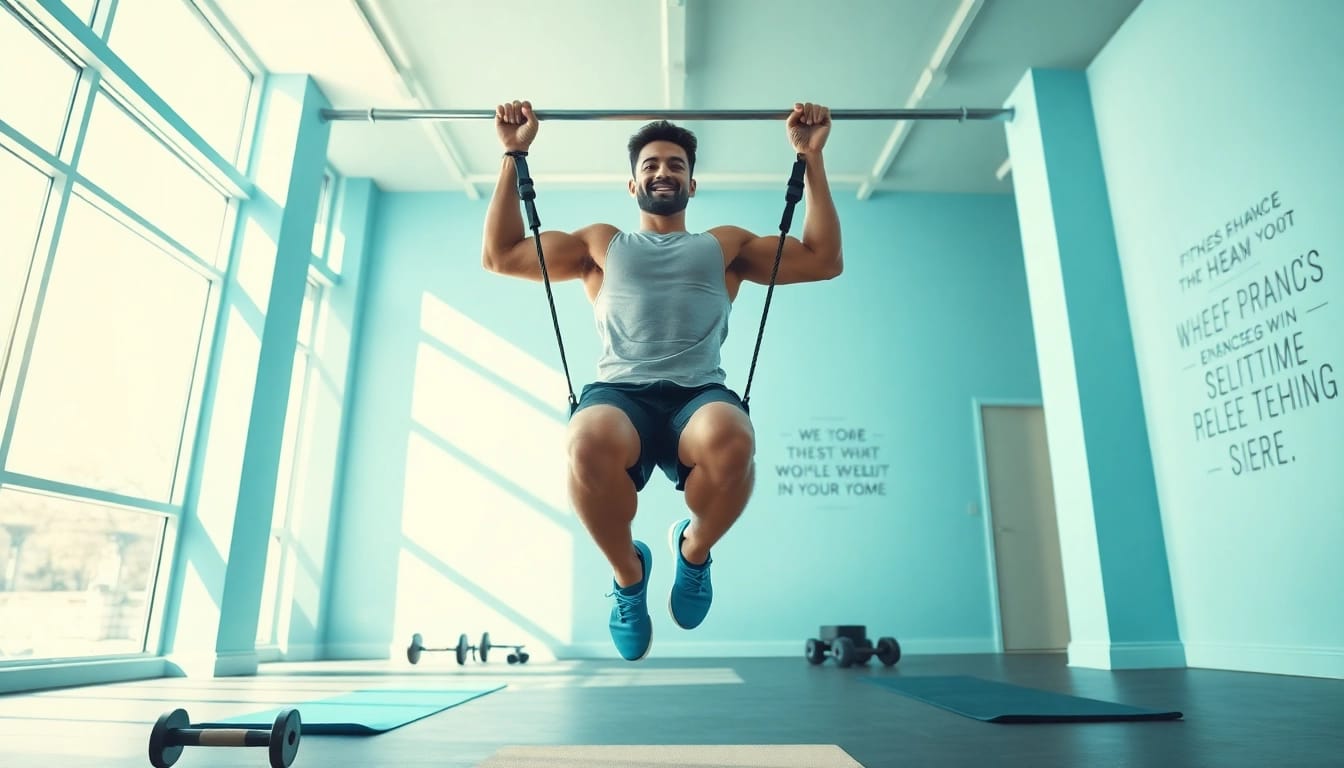
Understanding Assisted Pull-Up Bands
For individuals seeking to enhance their strength training, assisted pull-up bands have become a popular choice. These versatile fitness tools not only help in achieving one's first pull-up but also play a critical role in muscle development and overall fitness progression. This article explores the fundamentals of assisted pull-up bands, their benefits, types, and practical usage techniques to help you maximize your strength training routine.
What Are Assisted Pull-Up Bands?
Assisted pull-up bands are elastic bands designed to assist individuals in performing pull-ups by providing an additional boost. They work by counterbalancing your body weight as you pull yourself up, making the exercise more manageable, especially for beginners or those aiming to increase their pull-up count. Typically available in various thicknesses and resistance levels, these bands can be used for multiple exercises, including chin-ups, dips, and stretching routines.
Benefits of Using Assisted Pull-Up Bands
- Scalability: With options ranging from light to heavy resistance, users can progressively increase their strength as they advance in their training.
- Form Improvement: Bands help in maintaining proper form during pull-ups, which is crucial for preventing injuries.
- Versatility: Beyond pull-ups, these bands can be incorporated into various workouts, enhancing their utility in a fitness regimen.
- Accessibility: They allow beginner exercisers to engage in more complex movements that would otherwise be challenging to achieve.
Different Types of Assisted Pull-Up Bands Available
Assisted pull-up bands come in various forms, including looped bands, flat bands, and mini bands. Each type serves distinct purposes:
- Looped Bands: These are the most common and are often used for assisted pull-ups. They provide significant support and are available in multiple resistance levels.
- Flat Bands: Typically used in physical therapy, these bands are great for mobility work and can be used to assist in pull-up techniques.
- Mini Bands: Smaller in size, they are excellent for adding resistance in exercises targeting smaller muscle groups and enhancing overall muscle engagement.
How to Choose the Right Assisted Pull-Up Bands
Assessing Your Strength and Fitness Level
Your current fitness level significantly influences the type and thickness of the band you should choose. Beginners may want to start with a thicker band that offers more assistance, while more advanced users can opt for thinner bands or even multiple bands to assist in their workouts.
Evaluating Band Thickness and Resistance Levels
Different bands provide varying levels of resistance measured in pounds. Generally, thicker bands offer more assistance. For instance, bands may range from those providing 10-30 lbs of assistance for novices to those offering 50 lbs or more for advanced users who are developing their pull-up strength.
Material Quality and Durability Considerations
Look for bands made from high-quality rubber or latex, as these materials provide both durability and flexibility. Brands with a reputation for producing reliable equipment often offer warranties or guarantees, ensuring that you can train without the worry of equipment failure.
Techniques for Effective Use of Assisted Pull-Up Bands
Step-by-Step Guide to Performing Assisted Pull-Ups
- Attach the band to a pull-up bar securely.
- Place your knees or feet into the loop, ensuring that it's tightly secured.
- Grip the bar with an overhand grip, shoulder-width apart.
- Engage your core, pull yourself up while focusing on using your upper body strength.
- Lower yourself slowly back to the starting position, resisting the band’s assistance.
Common Mistakes to Avoid When Using Bands
- Not Engaging the Core: Failing to tighten your core can lead to poor form and potential injury.
- Using Too Much Assistance: Always aim to challenge yourself. If the band is too thick, you risk not building adequate strength.
- Rushing the Movement: Pull-ups should be controlled; fast, jerky movements can lead to injury.
Integrating Assisted Pull-Up Bands into Your Routine
To maximize the benefits of assisted pull-up bands, consider integrating them into your regular workouts. Start by incorporating assisted pull-ups into your upper body days, and follow up with other exercises such as rows and dips to build overall strength.
Real-Life Success Stories with Assisted Pull-Up Bands
Case Study: Achieving Your First Pull-Up
Many users report that assisted pull-up bands have been the key to achieving their first unassisted pull-up. By progressively reducing the band assistance, they build confidence and strength leading up to their goal.
Testimonials from Fitness Professionals
Fitness trainers often recommend assisted pull-up bands for clients who are struggling with bodyweight exercises. They cite the bands as an effective tool for developing upper body strength and improving overall fitness.
Long-Term Strength Development with Bands
Regular use of assisted pull-up bands can result in remarkable strength gains. Users often notice significant improvements in their upper body strength, enabling them to perform more challenging movements like muscle-ups or weighted pull-ups.
Future Trends in Assisted Pull-Up Training
Innovations in Resistance Band Technology
As the fitness industry evolves, we can expect advancements in resistance band technology. This may include smart bands with sensors to track performance and provide feedback, helping users optimize their training.
Predicted Fitness Trends for 2026 and Beyond
Emerging trends indicate a shift towards more functional training and bodyweight exercises, where tools like assisted pull-up bands will play a pivotal role. Incorporating technology, such as apps that provide guided workouts using bands, will further enhance user experiences.
Adapting Assisted Pull-Up Methods for Diverse Fitness Goals
Individuals training for different objectives—be it strength, hypertrophy, or endurance—can benefit from assisted pull-up bands. Customizing your program to include these bands will cater to specific fitness goals while promoting sustainable progress.