
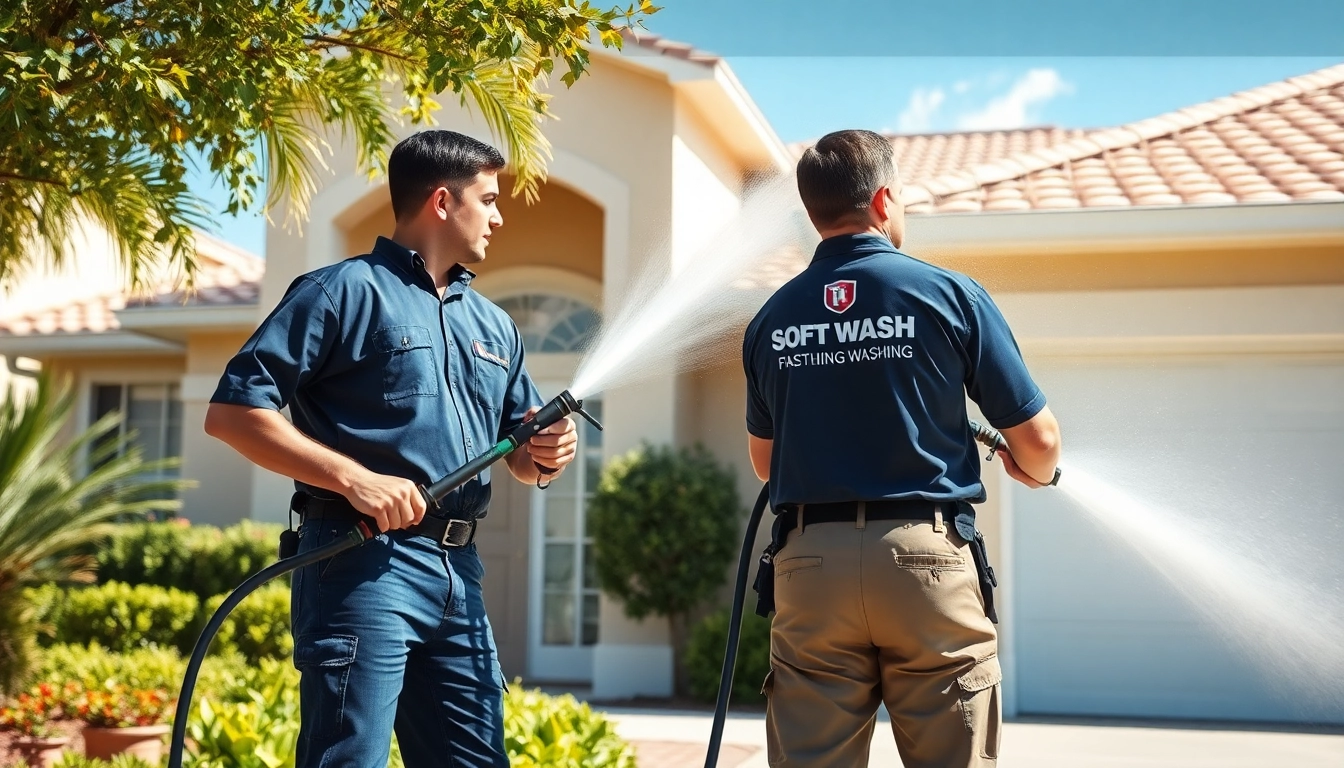
Understanding Soft Wash: The Basics
In recent years, the demand for effective and eco-friendly cleaning techniques has surged, particularly in bustling areas like Kissimmee, FL. Among the most sought-after methods is soft wash, an innovative cleaning approach designed to safely remove contaminants from various surfaces without causing damage. This article will delve into the fundamentals of soft washing, its benefits, and how it compares to traditional pressure washing, equipping you with all the information you need to keep your property looking pristine.
What Is Soft Washing?
Soft washing is a gentle cleaning method that utilizes low-pressure water combined with biodegradable cleaning solutions to remove dirt, algae, mold, and other stains from surfaces. This technique is particularly effective for delicate materials, such as wood, shingles, and vinyl siding, which can suffer damage under the high pressures associated with traditional pressure washing.
Benefits of Using a Soft Wash Technique
- Safety: Soft washing minimizes the risk of damage to surfaces, making it ideal for roofing and siding materials.
- Long-Lasting Results: The biodegradable solutions used not only clean but also kill the root of algae and mold, leading to longer intervals between cleanings.
- Eco-Friendly: The cleaning agents are biodegradable and environmentally safe, aligning with growing consumer demands for sustainable practices.
- Enhanced Curb Appeal: A clean exterior significantly boosts the visual appeal of your property, attracting potential buyers or customers.
How Soft Wash Differs from Traditional Pressure Washing
While both soft washing and traditional pressure washing are effective cleaning methods, their differences are pivotal in determining which is appropriate for specific tasks. Traditional pressure washing uses high-pressure water jets that can strip away dirt and grime but may also damage sensitive surfaces. In contrast, soft washing focuses on using lower pressure with specialized cleaning solutions, making it suitable for fragile surfaces such as roofs and painted exteriors.
Essential Equipment for Soft Washing
Necessary Tools and Machines
To effectively implement soft washing, a few essential tools and machines are necessary. These typically include a pressure washer equipped with low-pressure nozzles, a chemical injector for mixing cleaning solutions, and various hoses and attachments to reach different areas of a property. Additionally, specialized sprayers for applying the cleaning solution evenly across surfaces can enhance the efficiency of the process.
Biodegradable Solutions and Their Importance
The cleaning agents used in soft washing are critical to the technique’s effectiveness. Unlike the harsh chemicals that might be found in standard cleaning products, biodegradable solutions are formulated to break down naturally, minimizing environmental impact. These solutions often contain surfactants that help loosen grime and biofilms, ensuring a thorough clean without the harshness of traditional detergents.
Safety Gear for Professionals
Proper safety gear is essential for anyone involved in soft washing, ensuring protection from accidental spills or exposure to cleaning solutions. Recommended gear includes gloves, goggles, and respiratory masks to shield against potentially harmful chemicals and sprays.
Steps for Effective Soft Washing
Preparation: Assessing the Property
Before initiating any soft washing project, a thorough assessment of the property is crucial. This involves inspecting the surfaces to be cleaned, identifying problem areas, and evaluating their overall condition. This careful preparation ensures that the right techniques and solutions are employed, avoiding damage and optimizing results.
Implementing the Soft Wash Process
Once preparations are complete, the soft washing process can begin. This typically involves:
- Mixing the biodegradable cleaning solution according to the manufacturer’s guidelines.
- Applying the solution using a low-pressure sprayer, allowing it to sit for the recommended time to effectively break down contaminants.
- Rinsing the surface with low-pressure water to remove the solution along with the loosened dirt and stains.
Post-Cleaning Maintenance and Care
After completing the soft wash, it’s advisable to inspect the cleaned areas for any remaining stains or problems. Regular maintenance, such as checking for new growth of mold or algae, can help maintain the cleanliness achieved through soft washing. Additionally, homeowners should consider scheduling a follow-up soft wash at regular intervals to prolong the benefits.
Common Misconceptions About Soft Washing
Is Soft Washing Safe for All Surfaces?
A common misconception is that soft washing can be applied to all surface types without concern. While soft washing is effective on many surfaces, homeowners should still consult professionals to ensure compatibility, especially for more delicate materials.
Debunking Myths About Cleaning Chemicals
Some individuals believe that all cleaning chemicals are harmful. In reality, biodegradable solutions used in soft washing are formulated to be safe for both the environment and the surfaces being cleaned. Understanding the composition and purpose of these solutions can help alleviate concerns.
Cost-Effectiveness: Long-Term Value of Soft Washing
Many property owners may question the cost-effectiveness of soft washing versus traditional pressure washing. While the initial cost might be higher, the long-term benefits of extending the lifespan of materials and reducing the frequency of cleanings often result in greater savings over time.
Future Trends in Soft Washing
Emerging Technologies in Cleaning Solutions
The soft washing industry is evolving, with new technologies being developed to improve efficiency and effectiveness. Innovations such as advanced sprayers, automated systems, and enhanced cleaning agents promise to streamline the process while maintaining high standards of safety and cleanliness.
Eco-Friendly Practices Gaining Popularity
As environmental awareness continues to rise, many consumers are prioritizing eco-friendly practices in their cleaning routines. This trend is leading to a growing demand for biodegradable solutions and sustainable methods, pushing the industry towards greener alternatives.
Consumer Expectations in 2025 and Beyond
Looking ahead, consumers will likely expect even more from soft washing services, including greater transparency regarding the chemicals used and the environmental impact of cleaning methods. Offering educational resources and demonstrating commitment to sustainability will be essential for businesses looking to thrive in this market.