
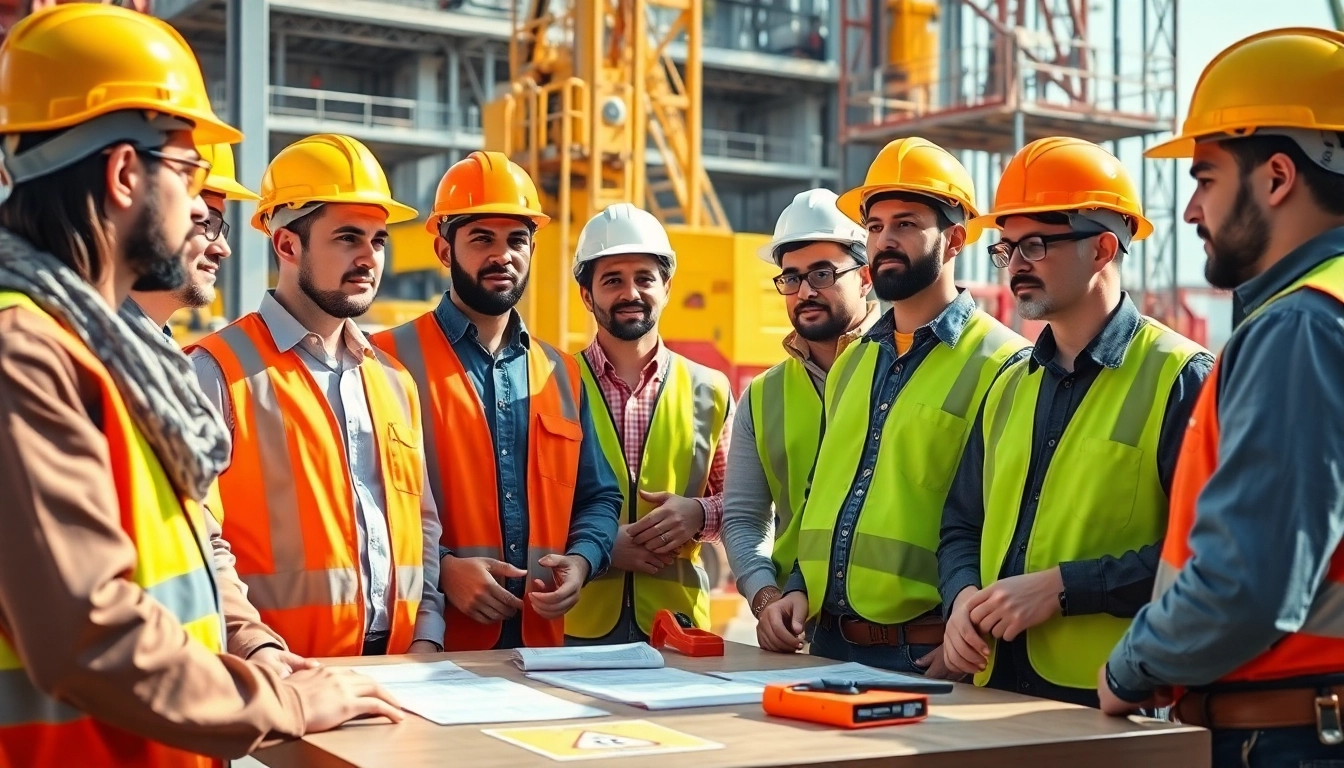
Understanding the Importance of Construction Safety Training
Construction sites are inherently risky environments where employees face various hazards daily. To mitigate these risks, construction safety training is vital. This comprehensive training equips workers with the knowledge and skills necessary to function safely, reducing accidents and injuries while fostering a culture of safety on-site.
What is Construction Safety Training?
Construction safety training encompasses programs designed to educate workers about potential hazards associated with construction work. It aims to instill practices that prevent accidents, injuries, and fatalities. Training includes various topics like equipment handling, personal protective equipment (PPE), fall protection, and emergency response protocols.
Benefits of Effective Safety Training
Investing in effective safety training yields numerous benefits for both workers and organizations. Key benefits include:
- Injury Reduction: Proper training significantly lowers the number of workplace injuries and fatalities.
- Improved Morale: A safe work environment fosters employee confidence and satisfaction, improving overall work morale.
- Increased Productivity: Workers who understand safety protocols are more focused and productive, minimizing downtime.
- Compliance with Regulations: Training ensures adherence to federal and state safety regulations, avoiding legal repercussions.
Legal Requirements for Training
The Occupational Safety and Health Administration (OSHA) mandates specific training requirements for construction employees. Employers must ensure that workers receive training on hazards they may encounter and the appropriate measures to mitigate those risks. Non-compliance can lead to significant fines and penalization, highlighting the need for consistent and updated training programs.
Key Components of a Successful Training Program
Identifying Hazards on the Job Site
Effective safety training begins with a thorough assessment of the job site to identify potential hazards. Common risks include:
- Slips, trips, and falls
- Electrical hazards
- Heavy machinery operations
- Exposure to harmful substances
Utilizing tools like job hazard analyses can help pinpoint risks, allowing for tailored training that addresses specific dangers workers will face.
Training Methods and Best Practices
Diverse training methods can cater to different learning styles among workers. Best practices for safety training include:
- Hands-On Training: Practical demonstrations allow workers to engage directly with equipment and procedures.
- Visual Aids: Use videos, infographics, and signage to reinforce safety protocols and ensure easy comprehension.
- Regular Refresher Courses: Conduct periodic training sessions to refresh knowledge and skills, keeping safety top-of-mind.
Developing Comprehensive Training Materials
Robust training materials should be developed to cover essential topics thoroughly. Materials might include:
- Text and instructional manuals
- Interactive online courses
- Checklists and safety posters
Consider tailoring content to reflect the specific operations and risks associated with your construction projects, ensuring materials remain relevant and practical.
Implementing Construction Safety Training in Your Organization
Creating a Safety Culture
Developing a culture of safety entails more than training; it requires fostering an environment where safety is a shared responsibility. Engage all levels of staff, from management to crew members, in safety conversations, decision-making, and feedback loops to create a sense of ownership regarding safety practices.
Scheduling and Frequency of Training
Establishing a structured training schedule is crucial for maintaining safety standards. Regularly scheduled training, such as weekly safety briefings or monthly in-depth training sessions, helps integrate safety into daily operations and keeps safety skills sharp. Flexibility is also important; adapt training frequency based on the changing nature of work and new equipment or protocols introduced.
Using Technology to Enhance Training
Leveraging technology can optimize training delivery. Both virtual and augmented reality (VR/AR) can simulate construction environments for immersive training experiences. Additionally, using learning management systems (LMS) can track training accomplishments and provide easy access to educational materials. Such technologies can enhance engagement and reduce administrative burdens, making training more effective.
Measuring the Effectiveness of Training Programs
Performance Metrics to Consider
To determine training effectiveness, various performance metrics can be utilized, such as:
- Incident and accident rates pre- and post-training
- Assessment scores from safety knowledge tests
- Employee retention rates and job satisfaction surveys
Tracking these metrics over time provides clear insights into the training program’s impact on workplace safety.
Gathering Feedback from Participants
Direct feedback is crucial for evaluating the success of training. Conduct surveys and debriefing sessions with participants to gain insights into what aspects of the training were effective and what areas require improvement. This feedback loop can facilitate continuous enhancements to the training programs, ensuring they remain relevant and effective.
Adjusting Your Program Based on Results
Based on performance metrics and participant feedback, be prepared to modify your training program. Adjustments could involve updating training materials, changing training delivery methods, or introducing new training topics. Remaining adaptable to the needs of workers and the changing landscape of construction is key to maintaining safety over time.
Frequently Asked Questions about Construction Safety Training
What types of training are required for construction workers?
Required training varies but typically includes hazard recognition, equipment handling, fall protection, PPE usage, and emergency response protocols. Compliance with OSHA standards is essential.
How often should safety training be conducted?
Safety training should be conducted regularly, with initial training for new hires and refresher courses at least annually, or more frequently if there are significant changes in the work environment or processes.
What should I include in my safety training program?
A comprehensive program should cover hazard identification, safe operating procedures, emergency protocols, PPE usage, and specific training for equipment and tasks relevant to your projects.
Can online training be effective for construction safety?
Yes, online training can be effective, especially when combined with hands-on components. It provides flexibility, scalability, and opportunities for interactive learning through multimedia resources.
What are common barriers to effective safety training?
Common barriers include lack of time, worker engagement, and inadequate resources for training development. Addressing these through support from management and integrating training into the workflow can often help overcome these challenges.