
Understanding Baseboards
What Are Baseboards?
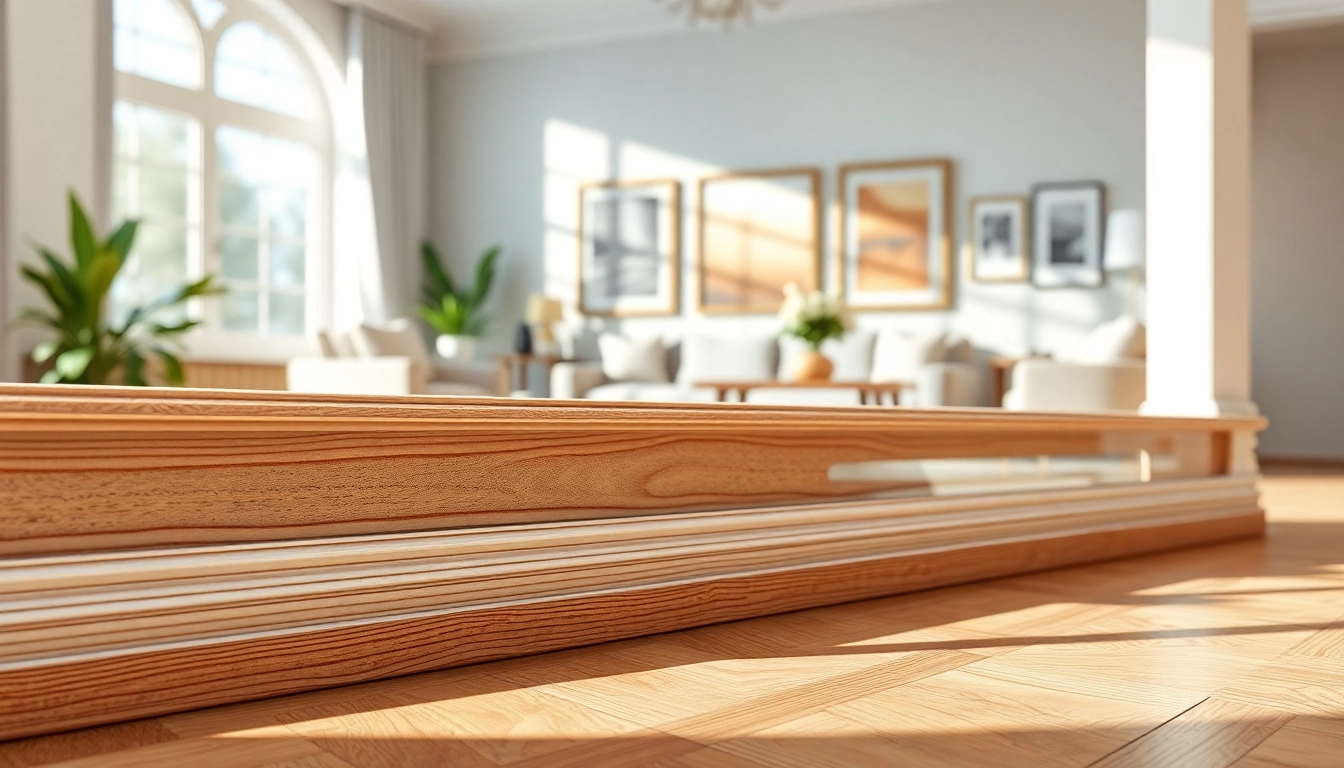
Baseboards are an essential element of interior design, serving both functional and aesthetic purposes. These architectural features are installed at the bottom of walls, where the wall meets the floor, providing a transition between the two surfaces. Beyond their practical use of protecting wall edges from damage due to foot traffic, furniture, or cleaning tools, baseboards also enhance the overall visual appeal of a room.
Types of Baseboards
Baseboards come in a myriad of styles and materials, allowing for a range of design possibilities. Common types include:
- Flat Baseboards: Minimalist and modern, flat baseboards provide a clean look favored in contemporary designs.
- Crown Baseboards: Feature ornate detailing, often used in traditional decor.
- Quarter-Round and Shoe Molding: These options can be combined with other styles for additional decorative elements.
- Custom Baseboards: Tailored to fit specific design preferences and unique angles, offering personalized solutions.
Benefits of Using Baseboards
The installation of baseboards provides multiple advantages:
- Protection: Baseboards shield walls from scuffs and scratches, preserving the integrity of your interiors.
- Aesthetic Appeal: They add character and style to a room, providing an opportunity to incorporate color and texture.
- Concealment: Baseboards help cover the gaps between walls and floors, hiding imperfections and allowing for a clean finish.
- Value Addition: High-quality, well-designed baseboards can enhance the perceived value of a home, attracting potential buyers.
Choosing the Right Baseboards
Materials for Baseboards
The material of your baseboards significantly impacts their appearance, durability, and cost. Common materials include:
- Wood: Offers a warm and classic look, available in various finishes. However, it may warp or require more maintenance.
- MDF (Medium-Density Fiberboard): A budget-friendly option, MDF can be painted easily and won’t warp, though it’s less durable than wood.
- PVC: Ideal for moisture-prone areas, PVC baseboards are waterproof and resistant to mold.
- Metal: Stainless steel or aluminum baseboards add a contemporary edge and are exceptionally durable.
Design Styles and Aesthetics
When selecting baseboards, consider the overall decor of your space. For traditional interiors, opt for more ornate and detailed baseboards. Contemporary spaces benefit from cleaner lines and simpler profiles. Barn-style and rustic settings can utilize reclaimed wood for a cohesive look. Matching baseboards to door and window trim can create a harmonious flow throughout your rooms.
How to Match Baseboards with Your Space
To effectively match baseboards with your interior, consider:
- Color: White offers a timeless look, while bold colors can create a striking contrast.
- Height: Taller baseboards typically enhance the elegance of a room, while shorter ones can make a ceiling feel taller in smaller spaces.
- Style: Ensure your baseboards complement other architectural features and fixtures within your home.
Installation of Baseboards
Preparation Steps for Installation
Before installing baseboards, proper preparation is crucial to ensure a smooth process. Follow these steps:
- Choose your baseboard style and material.
- Measure the perimeter of your room to calculate how much material you need.
- Gather necessary tools and materials.
- Remove any old baseboards or trim, ensuring the wall surface is clean and ready.
Tools and Materials Needed
For a successful installation, gather the following tools and materials:
- Baseboards
- Miter saw
- Nail gun or hammer
- Level
- Stud finder
- Measuring tape
- Caulk for finishing
- Construction adhesive (optional)
Step-by-Step Installation Process
Follow these steps to install your baseboards:
- Cut the baseboards to size using a miter saw, ensuring angles are accurately cut for corners.
- Using a stud finder, locate the wall studs and mark their location.
- Attach the baseboards to the wall using a nail gun or hammer, driving nails into the studs for secure installation.
- Fill any nail holes with wood filler or caulk for a seamless look.
- Finally, apply caulk along the top edge where the baseboard meets the wall for a clean finish.
Maintenance and Care for Baseboards
Cleaning Techniques for Different Materials
Proper upkeep of baseboards extends their lifespan and appearance. Cleaning depends on the material:
- Wood: Dust regularly and clean with a damp cloth. Avoid excess moisture.
- MDF: Wipe clean with a soft cloth. Painting may be needed over time.
- PVC: Clean with soap and water; they are highly resistant to stains.
- Metal: Use mild soap and water, then dry promptly to avoid water spots.
Repairing Damaged Baseboards
If your baseboards become damaged, don’t fret. Minor scratches can be sanded down and refinished. For larger issues, such as splits or larger scratches, consider using wood filler or paint to restore their appearance. In cases of extensive damage, replacement may be necessary—measure and cut new pieces to match the original as closely as possible.
Long-Term Care Tips
Long-term maintenance is essential for keeping your baseboards looking pristine:
- Regularly dust and clean to prevent dust build-up.
- Repaint or refinish as necessary, especially for wooden baseboards.
- Inspect for signs of wear or water damage quarterly, addressing problems early before they escalate.
FAQs About Baseboards
What is the best material for baseboards?
The best material depends on your environment and style. Wood offers natural warmth, while MDF is budget-friendly and versatile. PVC is ideal for moisture-prone areas.
How high should baseboards be installed?
Standard baseboard heights range from 3 to 6 inches, but consider your room’s proportion and ceiling height when deciding on the ideal height.
Can I paint my baseboards?
Absolutely! Painting baseboards is a great way to refresh the look of a room or match changing decor. Use high-quality paint for lasting results.
Do baseboards need a finish?
A finish can enhance durability, particularly for wood baseboards. It protects against wear and tear, making it a wise investment for longevity.
How do I remove old baseboards?
Use a utility knife to cut through caulk, then carefully pry the baseboards away from the wall. Be mindful of any nails or adhesive that may be present.