
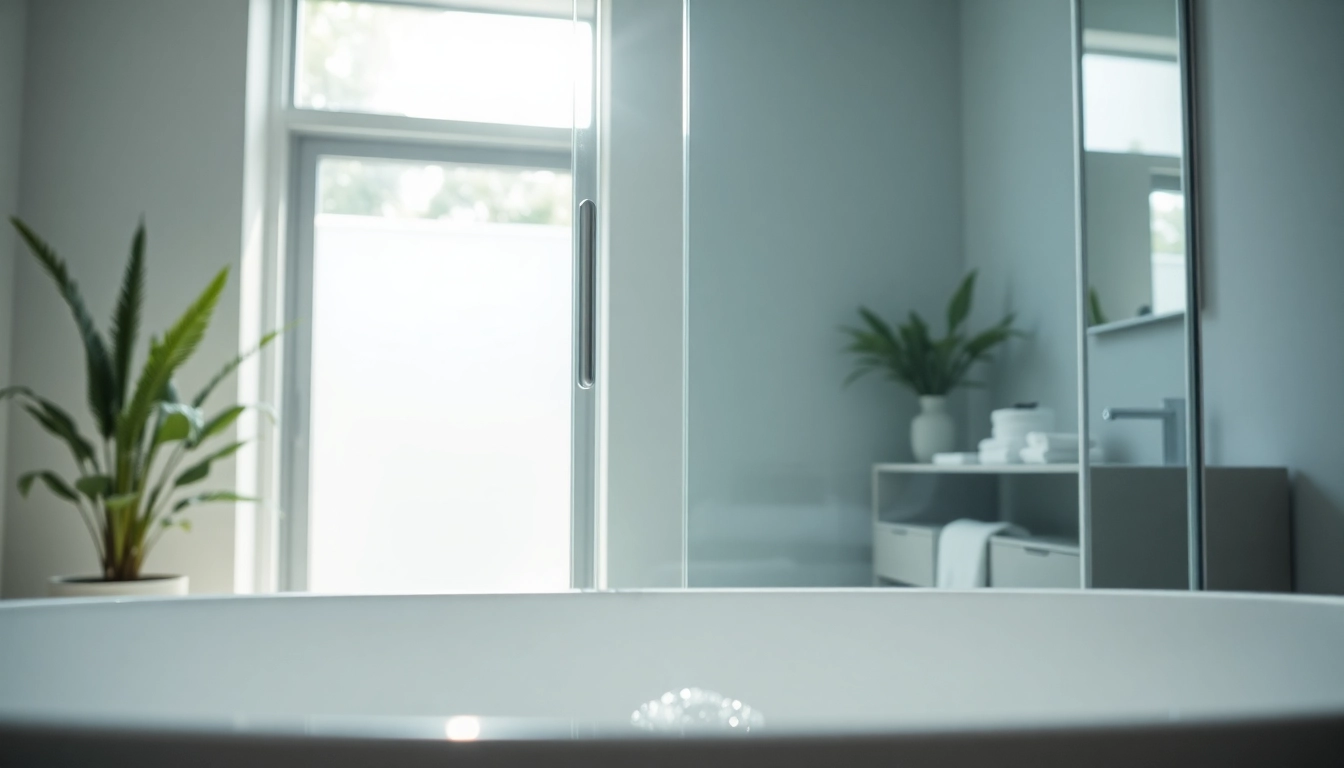
Understanding the Benefits of Shower Screen Door
Why Choose a Shower Screen Door?
In modern bathrooms, the shower screen door has become an essential element that harmonizes aesthetics and functionality. Unlike traditional shower curtains, these doors provide a sleek, sophisticated look that enhances the overall design of your space. They are particularly beneficial for creating a more open, airy feel in the bathroom, as they do not obstruct sightlines and can make the space appear larger.
Moreover, shower screen doors typically offer better water containment compared to curtains, reducing the risk of water damage to your floors and surrounding areas. Their durability and ease of cleaning are additional selling points, making them a smart investment for anyone looking to upgrade their bathroom’s style and functionality.
Common Materials Used in Shower Screen Door
Shower screen doors are available in various materials, each offering unique attributes. The most popular options include:
- Tempered Glass: Known for its strength and safety, tempered glass breaks into small, blunt pieces instead of sharp shards, making it a preferred choice for families.
- Acrylic: Lightweight and shatter-resistant, acrylic screens are available in various styles but may scratch more easily than glass.
- Polycarbonate: Similar to acrylic but even more durable, polycarbonate is ideal for high-traffic bathrooms but can be prone to discoloration over time.
- Framed Glass: Often bordered by aluminum or vinyl frames, framed glass doors are sturdy and typically less expensive than frameless options.
How a Shower Screen Door Enhances Space
One of the most significant advantages of installing a shower screen door is its ability to enhance the perception of space. A clear or frosted glass door allows light to pass through, making the bathroom feel more open and inviting. In smaller bathrooms, the transparent nature of glass can create an illusion of depth, while traditional curtains may trap light and create a claustrophobic atmosphere.
Additionally, many contemporary designs feature minimalist frames or frameless constructions, further aiding in the simple, clean lines that denote modernity and elegance. This can elevate your bathroom’s overall aesthetic, transitioning it from a purely functional space to a serene, spa-like environment.
Types of Shower Screen Door Available
Frameless Shower Screen Door: Pros and Cons
Frameless shower screen doors represent a contemporary choice for homeowners desiring a seamless, modern aesthetic. These doors utilize thick tempered glass with minimalistic support, providing an unobstructed view and an upscale feel.
However, they can be more expensive than framed options and may require more maintenance to keep glass surfaces spotless. Their installation may also be a bit complicated due to the need for precise measurements and support systems.
Framed Shower Screen Door: Key Features
Framed shower screen doors are encased in frames made from metal—typically aluminum or stainless steel—which provides additional strength and support. They can be easier to install and often more budget-friendly than frameless varieties. The frames can also be finished in various colors, allowing for customization to suit different bathroom styles.
Bi-fold vs. Sliding Shower Screen Door
Bi-fold and sliding shower screen doors offer different functionalities. Bi-fold doors fold in on themselves, making them an ideal choice for smaller bathrooms where space is limited. They open wide, providing easy access to the shower area.
Conversely, sliding doors move along a track and are perfect for larger, rectangular spaces. They generally require less floor space to operate, which can be beneficial in high-traffic bathrooms or households. Choosing between the two will ultimately depend on the layout of your bathroom and personal preference.
Installation Considerations for Shower Screen Door
Preparing Your Bathroom for Installation
Before installing a shower screen door, it’s vital to prepare the bathroom thoroughly. This involves measuring the space accurately and ensuring that the floor and walls are even. Removing any existing shower lining, curtains, or old doors is necessary to create a clean slate for installation.
It is also advisable to assess the existing plumbing to avoid potential leaks and ensure the door will fit into the allocated space correctly. Having a neat, organized area will streamline the installation process, minimizing errors and inefficiencies.
Tools Required for Shower Screen Door Installation
Installing a shower screen door does not typically require many specialized tools, but having the right equipment can make the process smoother. Common tools include:
- Measuring tape
- Level
- Power drill with appropriate drill bits
- Silicone sealant
- Rubber mallet
- Stud finder (for framed walls)
Ensuring that you have these tools readily available will facilitate a more efficient installation process, reducing the risk of errors and delays.
Common Installation Mistakes to Avoid
Even seasoned DIY enthusiasts can make mistakes during installation. Here are a few common pitfalls to avoid:
- Incorrect Measurements: It is vital to measure twice before cutting or drilling. Inaccurate measurements can lead to misaligned doors.
- Failure to Level: A lack of leveling can cause doors to not close properly, leading to leaks.
- Insufficient Sealant: Proper use of sealant is necessary to prevent water damage; be cautious not to overuse or underuse the material.
By avoiding these common mistakes, you can achieve a professional-looking installation that functions effectively.
Maintenance Tips for Your Shower Screen Door
Cleaning Techniques for Different Materials
To maintain your shower screen door’s appearance and functionality, regular cleaning is essential. For glass doors, a simple solution of vinegar and water effectively removes soap scum and water spots. While for acrylic, a soft microfiber cloth is advised to prevent scratching when cleaning. It’s important to follow the manufacturer’s recommendation for specific cleaning products to avoid damage to the surface.
Preventing Water Stains and Mold
Water stains and mold can be problematic in any bathroom. To minimize these issues, ensure proper ventilation by using exhaust fans and keeping windows open. After each use, consider wiping down the shower door with a squeegee to remove excess water. Implementing a regular cleaning schedule will further help mitigate the risk of mold growth.
When to Seek Professional Help
While maintenance is typically manageable, certain situations may warrant professional assistance. If you notice persistent leaks, cracks in the glass, or signs of mold that you cannot manage alone, it may be time to consult a professional. They can provide repairs or replacements, ensuring long-term durability and safety.
FAQs About Shower Screen Door
1. What is a shower screen door made of?
A shower screen door can be constructed from various materials, including tempered glass, acrylic, and polycarbonate, each offering different appearance and durability advantages.
2. How do I clean my shower screen door?
For glass doors, using a mixture of vinegar and water with a soft cloth is effective. For acrylic materials, it’s essential to use non-abrasive cleaners to avoid scratching.
3. How can I prevent water damage?
Ensure proper ventilation in your bathroom and use a squeegee to wipe down the doors after use. Regular maintenance and checks for leaks can also prevent water damage.
4. Are shower screen doors adjustable?
Some shower screen doors come with adjustable hinges and mechanisms that allow for slight modifications for a better fit, while others are fixed. Always check manufacturer guidelines.
5. What is the best type for small bathrooms?
Bi-fold shower screen doors are an excellent choice for small bathrooms since they require less space when opening. Sliding doors are also effective, but bi-fold systems maximize accessibility.