Understanding Shower Screen Door Types
When it comes to renovating or updating your bathroom, selecting the right shower screen door is crucial, as it affects both functionality and aesthetics. With various types available, it’s essential to explore these options in depth to make an informed decision. This section will delve into the different styles of shower screen doors, their advantages, and how they can enhance your bathroom experience.
Frameless Shower Screen Door Benefits
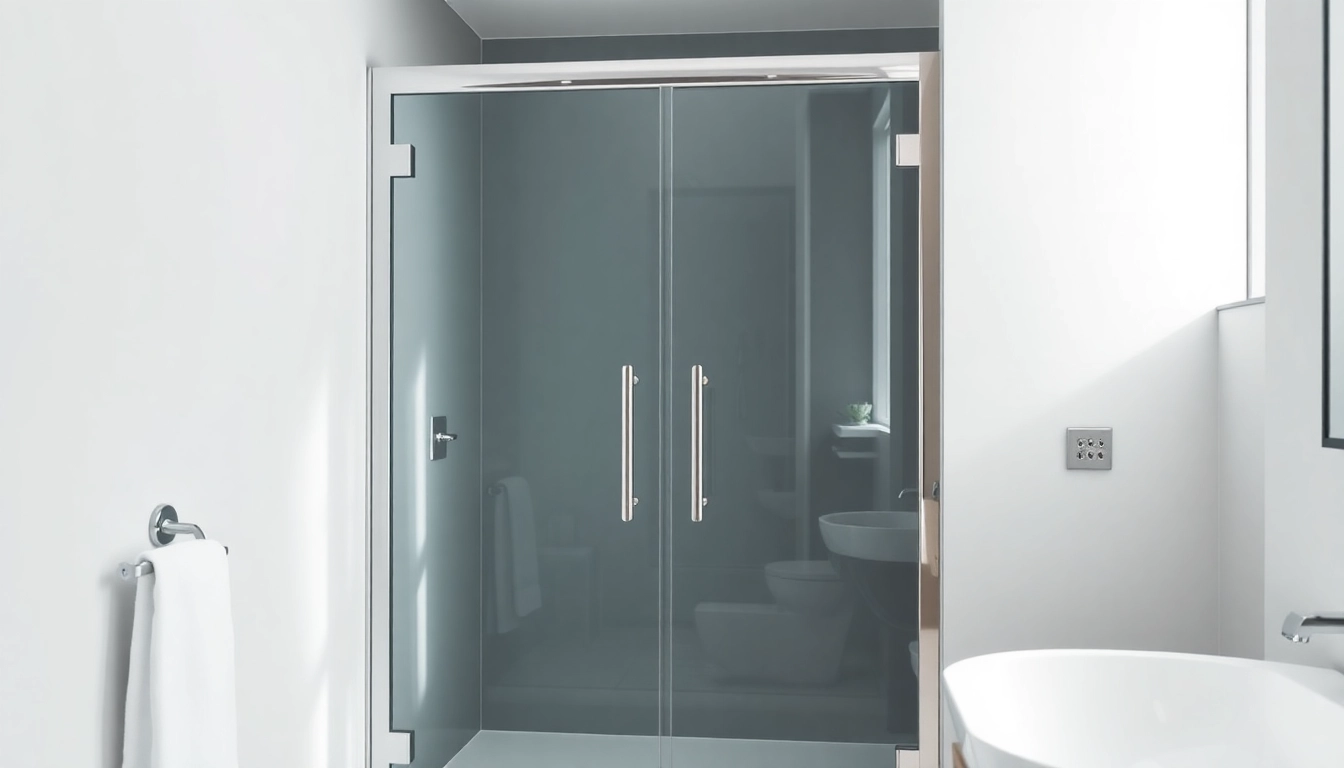
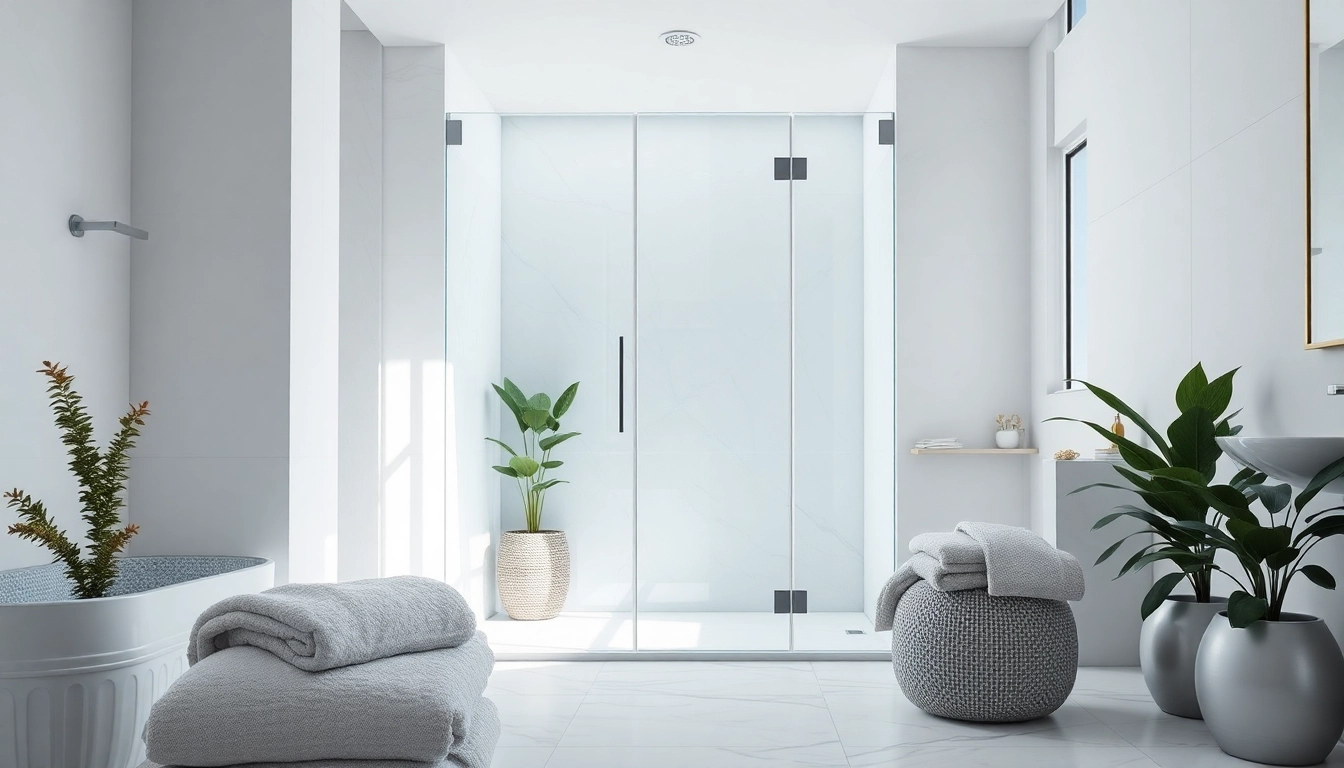
Frameless shower screen doors are increasingly popular due to their sleek, modern look. They feature minimal hardware, creating a seamless appearance that makes the bathroom feel more spacious. One of the primary benefits of frameless doors is their ease of cleaning; without frames, grime and soap scum are less likely to accumulate in hard-to-reach areas. Furthermore, frameless doors often use thicker glass, enhancing durability and instilling a sense of luxury.
Framed vs. Semi-Framed Options
Shower screen doors come in framed, semi-framed, and frameless styles. Framed doors have aluminum or vinyl frames, providing robust support and a traditional look. They can be easier to install and often more budget-friendly. Semi-framed doors combine aspects of both styles; they feature some structural framing while maintaining a modern aesthetic. Understanding these distinctions can help homeowners choose a door that aligns with their design vision and budget.
Special Features: Hinged, Sliding, and Bi-Fold
The functionality of your shower screen door is just as important as its appearance. Hinged doors swing open outward, offering easy access and an elegant look but require adequate space. Sliding doors glide along tracks, making them ideal for compact bathrooms where swinging doors may be impractical. Bi-fold doors fold inwards, providing a versatile solution for tight spaces. Each option has its pros and cons, so consider factors such as space, style, and user convenience when choosing the right type.
Measuring for Your Shower Screen Door
Accurate measurements are vital in ensuring your new shower screen door fits perfectly in your bathroom setup. Taking care in measurement can save time during installation and prevent costly mistakes. Below are vital techniques and considerations you should keep in mind when measuring for your shower screen door.
Essential Measurement Techniques
To measure accurately, start with the width and height of your shower opening. For width, measure the space between the walls at the top, middle, and bottom, as these may vary and will help you select a door that fits perfectly. For the height, measure from the top of the threshold or bathtub to the desired height of your shower screen door, ensuring that you account for any slopes or irregularities in the ceiling height if applicable.
Dealing with Uneven Walls
Many homes have uneven or out-of-plumb walls, which can complicate installation. If your walls are not vertical or if the shower’s threshold isn’t level, it’s essential to note these discrepancies. Consider using shims during installation to ensure the shower screen door is level and functional. You may also want to consult with a professional if you anticipate complications arising from these irregularities.
Common Measurement Mistakes
One common error is failing to account for hardware and fittings when measuring, such as wall brackets or hinges that may alter the overall dimensions. Another mistake is not rechecking measurements after taking them; things can shift slightly, especially in older homes. Always double-check your measurements, and when in doubt, consult a professional. This careful approach can prevent headaches down the line and ensure a smooth installation process.
Installation Process for Your Shower Screen Door
Successfully installing your shower screen door requires preparation and the right tools. Proper installation not only ensures functionality but also contributes to the longevity of the product. Below, we will discuss the necessary tools, provide a step-by-step guide, and explain when it may be wise to hire help.
Tools and Materials You Will Need
Before beginning your installation, gather all necessary tools and materials. You will need a level, drill, screws, anchors, a tape measure, silicone sealant, and potentially a stud finder and saw for precise cuts. Depending on your shower screen door design, additional components may be required, such as decorative handles or hinges. Having everything ready will streamline your installation process.
Step-by-Step Installation Guide
To install your shower screen door, follow these general steps: First, set up your workspace by clearing the area around the shower. Then, install any track assemblies according to the manufacturer’s instructions. Use a level to ensure they are straight. Next, carefully lift the door into place, securing it with screws as per the guidelines. Finish by applying silicone sealant along the edges to prevent water leakage. Allow adequate drying time, and you will have successfully installed your new shower screen door.
When to Hire a Professional Installer
If at any point you’re unsure or uneasy about tackling the installation yourself, it may be best to hire a professional. This is especially important in complex designs or if your walls are exceptionally uneven. A professional installation not only guarantees a precise fit but can also save time and ensure that your new door is safely installed, avoiding issues that might arise from improper fitting.
Maintenance Tips for Long-lasting Shower Screen Door
After your shower screen door is installed, maintaining it is crucial to its longevity and functionality. With the right care, your door will remain in excellent condition, enhancing your bathroom for years to come. Below are some practical maintenance tips that can help ensure your shower screen door stands the test of time.
Daily Cleaning Practices
Establish a routine to clean your shower screen door regularly. Use a squeegee after each shower to prevent water spots and soap scum build-up. On days where more thorough cleaning is needed, use a gentle glass cleaner and a microfiber cloth to remove any remaining residues. This simple practice will maintain clarity and prevent long-term staining while keeping the door looking new.
Preventing Mold and Mildew
Moist environments are breeding grounds for mold and mildew, which can compromise the longevity of your shower screen door. To prevent this, regularly inspect the door seals for any signs of deterioration or leakage. Ensure proper ventilation in your bathroom by using exhaust fans or keeping windows open when possible, allowing excess humidity to escape and keeping your door clean and mold-free.
Choosing the Right Cleaning Products
Not all cleaning products are suitable for glass surfaces. Select non-abrasive cleaners to avoid scratching the glass, which can lead to problems over time. Natural cleaners, such as vinegar mixed with water, can be highly effective and gentle on surfaces. Always test a small area first to ensure compatibility before applying any cleaner broadly across your shower screen door.
Enhancing Bathroom Aesthetics with Shower Screen Door
Beyond their functional role, shower screen doors can significantly enhance the overall aesthetics of your bathroom. This final section will explore how you can choose a door that complements your existing decor while also discussing design tips tailored for different bathroom sizes.
Matching Decor and Color Schemes
Choosing a shower screen door that matches your bathroom’s decor is essential for creating a harmonious design. For modern bathrooms, frameless glass doors can add a sleek touch, while framed doors might suit more traditional styles. Pay attention to color schemes as well; clear glass complements light colors well, making spaces feel larger and brighter. Consider using frosted glass or colored frames for a more dramatic and unique flair.
Incorporating Lighting to Highlight the Door
Proper lighting can greatly enhance the beauty of your shower screen door. Consider installing recessed lighting or sconces that direct light toward the door, highlighting its design and providing a luxurious ambiance. During renovation, you might also position mirrors strategically to reflect light, showcasing the clarity and quality of your shower screen door, ultimately elevating the overall atmosphere of your bathroom.
Design Tips for Small Bathrooms
In smaller bathroom spaces, the right shower screen door can create the illusion of a larger area. Opt for clear glass doors to maximize light flow, and choose a sliding door option rather than hinged, which requires more space to swing open. Additionally, using vertical lines in decor can make ceilings appear higher. Incorporating minimalistic designs will also contribute to a cleaner, less cluttered look for your compact space.
Frequently Asked Questions
What type of shower screen door is best for small spaces?
Sliding shower screen doors are ideal for small spaces as they don’t require swing space and provide functionality without interrupting the flow of the room.
How often should I clean my shower screen door?
Daily cleaning with a squeegee prevents water spots and soap scum. A more thorough cleaning can be done weekly or as needed for specific stains.
Can I install a shower screen door myself?
Yes, installation can be a DIY project if you’re handy and follow proper measurements and instructions. If unsure, consider hiring a professional.
What materials are used for shower screen doors?
Common materials include tempered glass for durability and various types of framing materials like aluminum or vinyl for support and aesthetic purposes.
How can I prevent mold from forming on my shower screen door?
Regular cleaning with appropriate products, ensuring ventilation in your bathroom, and using a squeegee after showers help prevent mold growth on your shower screen door.