Overview of Manaslu Circuit Trekking
Manaslu Circuit Trekking is an extraordinary journey that immerses adventurers in breathtaking landscapes, rich cultural experiences, and the sheer beauty of the Himalayas. Nestled in the Nepalese region of Gorkha, this trek is often overshadowed by its more famous counterpart, the Annapurna Circuit. However, the manaslu circuit trekking offers a unique blend of adventure, solitude, and stunning vistas, making it a must-visit for serious trekkers.
What is Manaslu Circuit Trekking?
The Manaslu Circuit Trek is a high-altitude trek that takes you around Mount Manaslu, the eighth highest mountain in the world, standing at 8,163 meters (26,781 feet). Spanning approximately 177 kilometers (110 miles), this trek typically takes around 15 days to complete, allowing trekkers to experience a variety of terrains, climates, and cultures. Starting from the lush subtropical forests, the route progressively leads you through charming villages, beautiful rice terraces, and ultimately into the stark high-altitude deserts that typify the Tibetan plateau.
Historical Significance and Cultural Insights
Historically, the Manaslu region has been a vital trade route between Nepal and Tibet. The trek provides an authentic cultural experience, allowing trekkers to engage with local communities that have preserved their unique Tibetan-influenced traditions. Along the route, you will encounter numerous monasteries, mani walls, and prayer flags that highlight the rich Buddhist heritage of the area. The local inhabitants, primarily Gurungs and Tibetans, are known for their hospitality and warm welcome, enriching your trekking experience.
Why Choose Manaslu Circuit Trekking in 2025?
Choosing to trek the Manaslu Circuit in 2025 offers a chance to explore one of the most pristine trekking routes in Nepal. With fewer crowds compared to other popular treks, it provides a sense of tranquility and connection with nature. The local infrastructure continues to improve, making accommodations and food options more accessible, ensuring a comfortable experience. Plus, the scenic beauty and the ever-changing landscapes keep every day of trekking fresh and exciting.
Itinerary and Highlights
15-Day Manaslu Circuit Trek Itinerary Breakdown
The trek typically spans 15 days, including travel time to and from Kathmandu. The itinerary includes various acclimatization days to help trekkers adjust to the altitude.
- Day 1: Arrival in Kathmandu – Transfer to hotel.
- Day 2: Drive to Machha Khola via Soti Khola – 8 to 10 hours.
- Day 3: Trek to Jagat – 6 to 7 hours.
- Day 4: Trek to Deng – 6 to 7 hours.
- Day 5: Trek to Namrung – 7 to 8 hours.
- Day 6: Trek to Lho – 3 to 4 hours.
- Day 7: Trek to Samagaon – 3 to 4 hours.
- Day 8: Acclimatization day – Day hike to Manaslu Base Camp and back.
- Day 9: Trek to Samdo – 3 to 4 hours.
- Day 10: Trek to Dharmashala – 4 to 5 hours.
- Day 11: Trek over Larkya La Pass to Bimthang – 8 to 9 hours.
- Day 12: Trek to Goa – 5 to 6 hours.
- Day 13: Trek to Dharapani – 3 to 4 hours.
- Day 14: Drive back to Kathmandu – 10 to 12 hours.
- Day 15: Final departure.
Key Highlights Along the Trekking Route
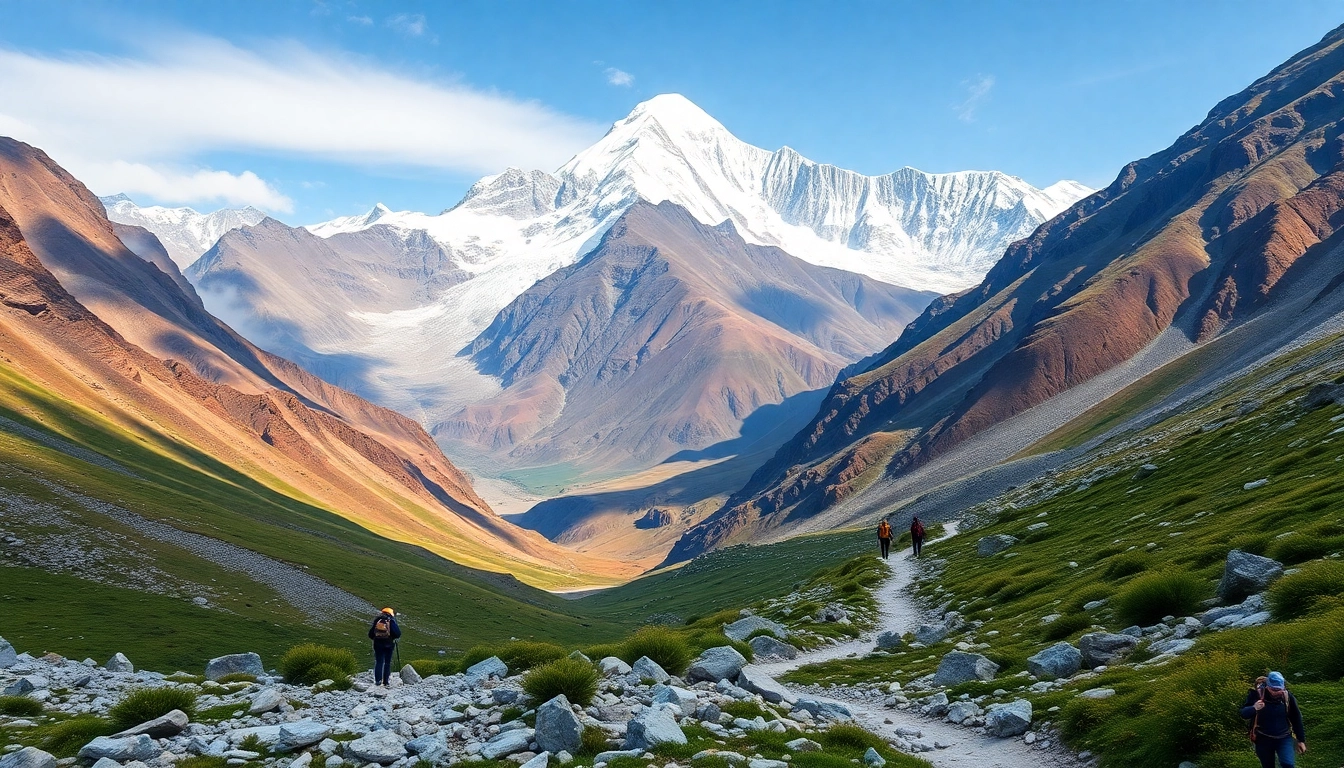
Throughout the trek, trekkers can expect to experience breathtaking views of the Manaslu massif and other neighboring peaks, including Himlung Himal, Kang Guru, and Annapurna II. Notable highlights include:
- Larkya La Pass: The highest point of the trek at 5,160 meters, it offers panoramic views of the Himalayan ranges.
- Samagaon: A vibrant village where trekkers can enjoy local culture and cuisine.
- Birendra Lake: A stunning glacial lake that provides a serene backdrop for acclimatization hikes.
- Monasteries: Ancient monasteries along the route, particularly in Samdo and Lho, where trekkers can engage in spiritual practices.
Acclimatization and Important Stops
Acclimatization is crucial for trekking at high altitudes. The itinerary includes specific days where trekkers can rest and adapt to increasing elevations, especially on Day 8 at Samagaon. During these crucial acclimatization days, trekkers can explore local sights, participate in community activities, or simply rest to ensure a safe and successful trek.
Preparing for Your Trek
Essential Gear and Packing List for Manaslu Circuit Trekking
Proper preparation is key for a successful trek. Some essential items to pack include:
- Sturdy trekking boots with ankle support.
- Warm clothing layers, including thermal inner wear.
- Waterproof jacket and pants to shield against rain and wind.
- Sufficient hydration gear, including a reusable water bottle.
- Sun protection items: hat, sunscreen, and sunglasses.
- First aid kit and personal medications.
Those looking to minimize their load can rent items such as sleeping bags and down jackets in Kathmandu.
Physical Fitness Requirements and Training Tips
Before embarking on the Manaslu Circuit Trek, trekkers should ensure they possess a good level of physical fitness. Training should ideally incorporate:
- Cardiovascular workouts – activities such as running, cycling, or swimming to improve endurance.
- Strength training focused on legs, core, and back to build support for carrying a backpack.
- Regular hiking to adapt to uneven terrain and altitude changes.
Engaging in a training regimen for at least two months prior to the trek will enhance your experience and comfort.
Health Risks and Precautions for High Altitudes
Acute Mountain Sickness (AMS) is a possibility when trekking in high-altitude environments. Symptoms may include headaches, nausea, and fatigue. Trekkers should remain vigilant about their health and follow these precautions:
- Ascend gradually and incorporate acclimatization days.
- Stay well-hydrated to help with altitude adaptation.
- Listen to your body and be prepared to descend if symptoms worsen.
Consulting with a healthcare professional before the trek is wise, especially for participants with pre-existing health conditions.
Logistics and Costing
Cost Breakdown: What’s Included in Your Trek Package?
The cost of the Manaslu Circuit Trek generally ranges from $1,500 to $2,500, depending on various factors. The Ace the Himalaya package offers a comprehensive deal starting at $1,550, including:
- All necessary permits (MRAP, ACAP, TIMS).
- Accommodation in teahouses along the trek.
- Transportation from Kathmandu to the trek’s starting point and back.
- Meals during the trek.
- Experienced trekking guide and porters.
Transportation: Getting to and from the Trekking Start Point
The trek begins with a 10- to 12-hour drive from Kathmandu to Machha Khola. Expect bumpy, winding roads as you transition from urban to rural landscapes, with stunning views of the Himalayas emerging as you approach the trek’s commencement point.
Permits Required for Manaslu Circuit Trekking
To trek the Manaslu Circuit, several permits must be obtained prior to the journey. These include:
- Manaslu Conservation Area Permit (MCAP).
- Manaslu Restricted Area Permit (MRAP).
- Trekkers Information Management System (TIMS) card.
These permits are essential for ensuring the responsible and sustainable management of trekking in this beautiful region.
Traveler Insights and Recommendations
Common FAQs for Manaslu Circuit Trekking
When planning your Manaslu Circuit Trek, consider these frequently asked questions:
- Is prior trekking experience necessary? No prior experience is required, but a good level of fitness is essential.
- What is the best season for trekking? The best times are between March to May and September to November for clear views and stable weather.
- Are there ATMs available on the trek? ATMs are limited; it is advisable to carry sufficient cash for personal expenses.
What Makes This Trek Unique Compared to Others?
The Manaslu Circuit Trek sets itself apart from other trekking experiences in Nepal due to its remote and less-commercialized nature. Unlike the Annapurna Circuit, which can often feel crowded, the Manaslu Circuit offers a sense of solitude and a more profound connection with nature and local culture.
Traveler Reviews and Personal Experiences
Many trekkers share glowing reviews of their experiences on the Manaslu Circuit. From the stunning landscapes to the warmth of the local villagers, the trek is often described as life-changing, making it a highly recommended adventure for any trekking enthusiast.