Understanding Structural Steel Welding Basics
Structural steel welding is a fundamental process in the construction industry, providing the backbone for many infrastructures, from skyscrapers to bridges. The integrity and longevity of these structures heavily rely on the quality of the welds performed. As the construction industry evolves, so too does the technology and methodology surrounding structural steel welding, emphasizing the need for specialized techniques and understandings. In this guide, we will delve into the various aspects of structural steel welding to provide a clearer picture of its importance, techniques, challenges, and future trends.
The Importance of Structural Steel Welding in Construction
Welding plays a pivotal role in the construction of steel structures. It not only connects individual components but also ensures that they bear the loads they’re designed for. The process affects not only the strength of a structure but also its safety and durability. In an industry where failure is not an option, understanding the importance of proper welding techniques is paramount.
Many construction projects rely on welds for their structural integrity, as the strength of a weld can be equal to, or sometimes exceed, that of the base material. Moreover, with the global shift toward more sustainable and efficient building practices, high-quality welding allows for the repurposing of materials, reducing waste and increasing the lifespan of buildings.
Common Types of Welding Processes
There are several welding processes employed in structural steel welding, each suitable for different applications based on requirements and material types:
- MIG Welding (Gas Metal Arc Welding): Using a continuous wire feed, MIG welding is versatile and commonly used for welding thin to medium-thickness materials. It produces a clean weld and is ideal for high-speed production environments.
- TIG Welding (Gas Tungsten Arc Welding): This method uses a non-consumable tungsten electrode to produce the weld. It offers greater control than MIG welding, making it suitable for more delicate welding tasks.
- Stick Welding (Shielded Metal Arc Welding): A traditional method, stick welding is known for its simplicity and effectiveness, particularly in outdoor or adverse conditions where wind and contaminants might compromise other welds.
- Flux-Cored Arc Welding: Similar to MIG welding but uses a tubular wire filled with flux, making it effective for thicker materials and allowing for welding in various positions.
Essential Equipment for Structural Steel Welding
Having the right equipment is crucial for achieving high-quality welds. Key equipment includes:
- Welding Machines: Different machines are tailored for different welding processes, whether MIG, TIG, or stick welding.
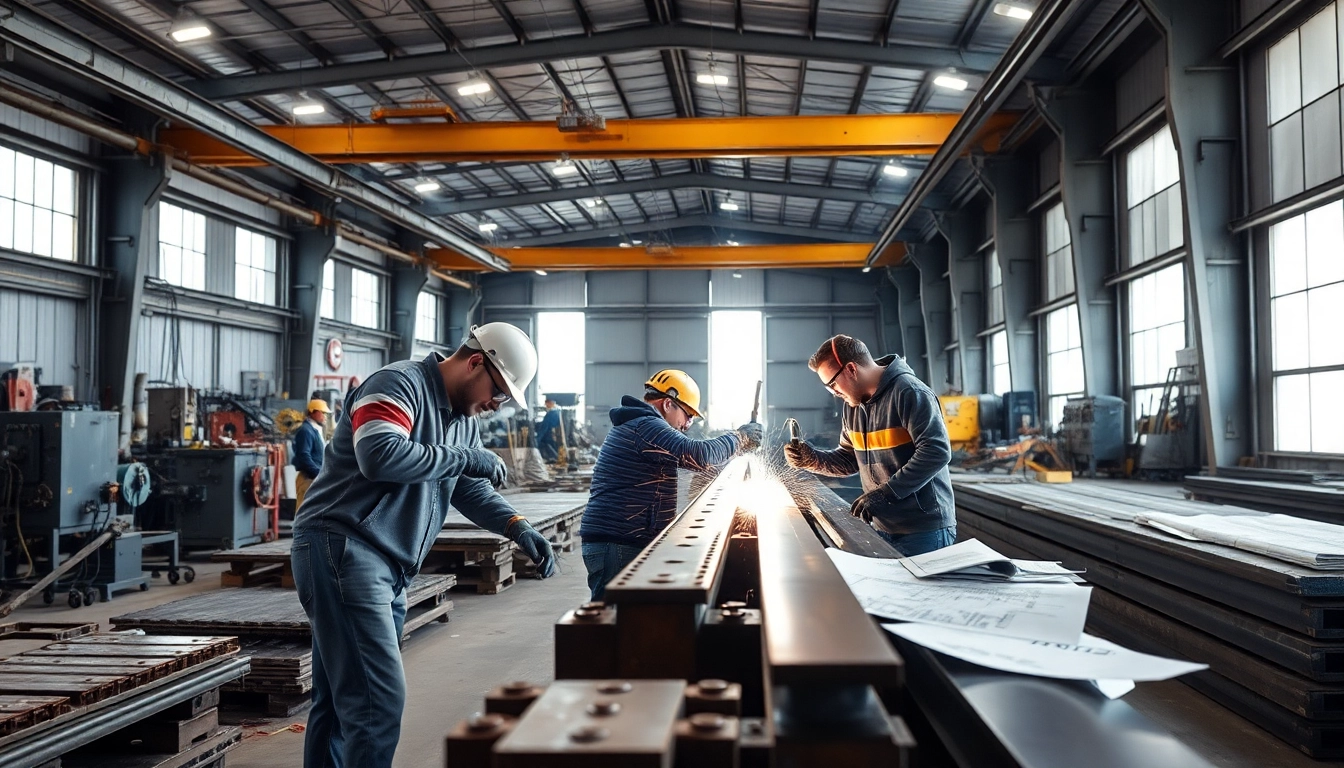
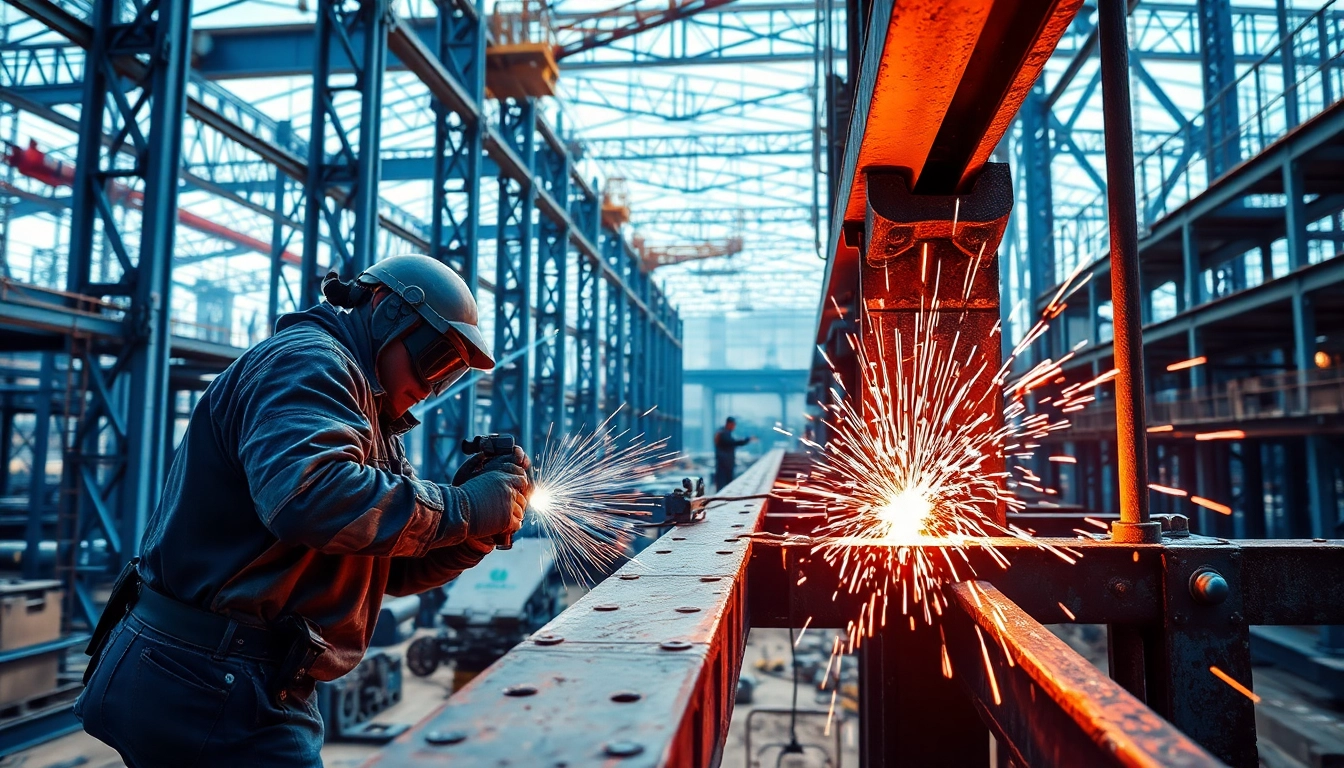
- Protective Gear: Welders require proper gear to protect themselves from harmful fumes, heat, and radiation, including helmets, gloves, and flame-resistant clothing.
- Gas Cylinders: For processes like MIG and TIG, shielding gases such as argon or CO2 are essential to protect the weld pool.
- Welding Consumables: These include filler metals and electrodes necessary for different welding techniques and materials.
Key Techniques in Structural Steel Welding
MIG vs. TIG Welding: Choosing the Right Method
Choosing between MIG and TIG welding largely depends on the project specifications. MIG welding is typically faster, making it suitable for heavy industrial projects where speed and volume are crucial. TIG welding, on the other hand, provides more precision, making it ideal for applications where aesthetics matter, such as architectural steel projects.
Ultimately, the choice may also depend on the welder’s skill level and familiarity with the processes, as well as the material specifications and thickness involved.
Welding Filler Materials and Their Applications
Filler materials play an essential role in the welding process by filling spaces to facilitate strong joints. The choice of filler depends on several factors, including the base materials being joined, the welding technique used, and the expected mechanical properties of the completed joint. Common filler materials include:
- ER70S-6: A popular choice for MIG welding, this filler material is versatile, providing good tensile strength and ductility.
- ER308L: Used primarily for welding stainless steel, this filler material offers excellent corrosion resistance.
- ER120S-1: Typically used for building structures exposed to high-stress conditions.
Preparation and Joint Design for Optimal Results
Preparation of materials is vital for effective welding. Clean surfaces, appropriate joint design, and correct alignment can significantly impact the quality of the weld. Common preparation techniques include:
- Cleaning: Removing rust, oils, and dirt from the metals to ensure a clean weld.
- Joint Design: Planning the weld type (butt, tee, corner, etc.) based on load requirements and ease of access.
- Fit-Up: Ensuring that parts fit together tightly to minimize gaps and enhance strength.
Challenges in Structural Steel Welding
Identifying Common Welding Defects
Welding, despite its robust nature, is prone to several types of defects, which can undermine the safety and integrity of a structure. Common defects include:
- Pores: Small holes that occur due to trapped gas in the molten weld pool.
- Undercut: This defect occurs when the base metal is eroded, leaving a groove along the weld line.
- Cracking: Often caused by excessive heat or poor joint design, cracks can lead to catastrophic failures.
Temperature Control and its Impact on Weld Quality
Temperature control during the welding process is critical. Welding too hot can lead to grain growth, reducing the strength of the material, while inadequate heat can result in poor fusion and weak joints. Monitoring the heat input can help regulate the cooling rates of different materials, influencing the final properties of the weld.
Strategies to Overcome Welding Challenges
To mitigate common welding challenges, professionals can implement various strategies:
- Preheating: Applying heat to the base materials prior to welding can help reduce the risk of cracking.
- Proper Technique: Employing the right welding technique and practices based on the specific materials and conditions can minimize defects.
- Regular Training: Continuous education on welding styles and material characteristics can ensure the workforce stays up-to-date with best practices.
Best Practices for Structural Steel Welding
Safety Protocols for Welders
The nature of welding entails inherent risks, making safety protocols paramount. Essential safety measures include:
- Personal Protective Equipment (PPE): Always wearing appropriate PPE, including helmets, gloves, and flame-resistant clothing.
- Ventilation: Ensuring that welding is conducted in well-ventilated areas to minimize exposure to hazardous fumes.
- Emergency Procedures: Establishing clear emergency procedures for incidents, including burns and injuries.
Inspection Techniques to Ensure Quality
To maintain the integrity of welded structures, regular inspections are critical. Common inspection techniques include:
- Visual Inspection: Quick assessments that can identify obvious defects or inconsistencies.
- Ultrasonic Testing (UT): Utilizing sound waves to identify internal flaws or discontinuities within the weld.
- X-Ray Testing: Employing X-ray technology to visualize the internal structure and identify defects.
Regular Maintenance of Equipment and Workspaces
Proper maintenance of welding equipment and workshops is vital for preventing accidents and ensuring high-quality welds. Best practices include:
- Daily Inspections: Checking equipment functionality and safety before use.
- Routine Cleaning: Ensuring workspaces and tools are clean to prevent contamination of materials.
- Scheduled Maintenance: Conducting regular service checks of welding machines and tools to avoid breakdowns.
Future Trends in Structural Steel Welding
Innovations in Welding Technology
The welding industry continues to evolve, integrating advancements that are streamlining processes and enhancing precision. Robotic welding is becoming more prevalent, increasing efficiency in high-volume applications. Smart welding technologies utilizing sensors to monitor conditions during the welding process are also being adopted, enabling real-time adjustments for optimal results.
Environmental Considerations and Sustainability
As sustainability gains prominence in construction, welding technologies are adapting to minimize environmental impacts. Techniques such as hybrid welding and the use of eco-friendly filler materials are being developed to reduce energy consumption and improve recycling rates of metals. Companies are being encouraged to adopt practices that align with environmental regulations and standards.
Skills Development for Modern Welders
The demand for skilled welders continues to rise. As technologies and methods evolve, there is a growing need for education and training programs that focus on modern techniques and equipment. Organizations are investing in training opportunities to cultivate the next generation of skilled welders capable of adapting to future demands in the field.