
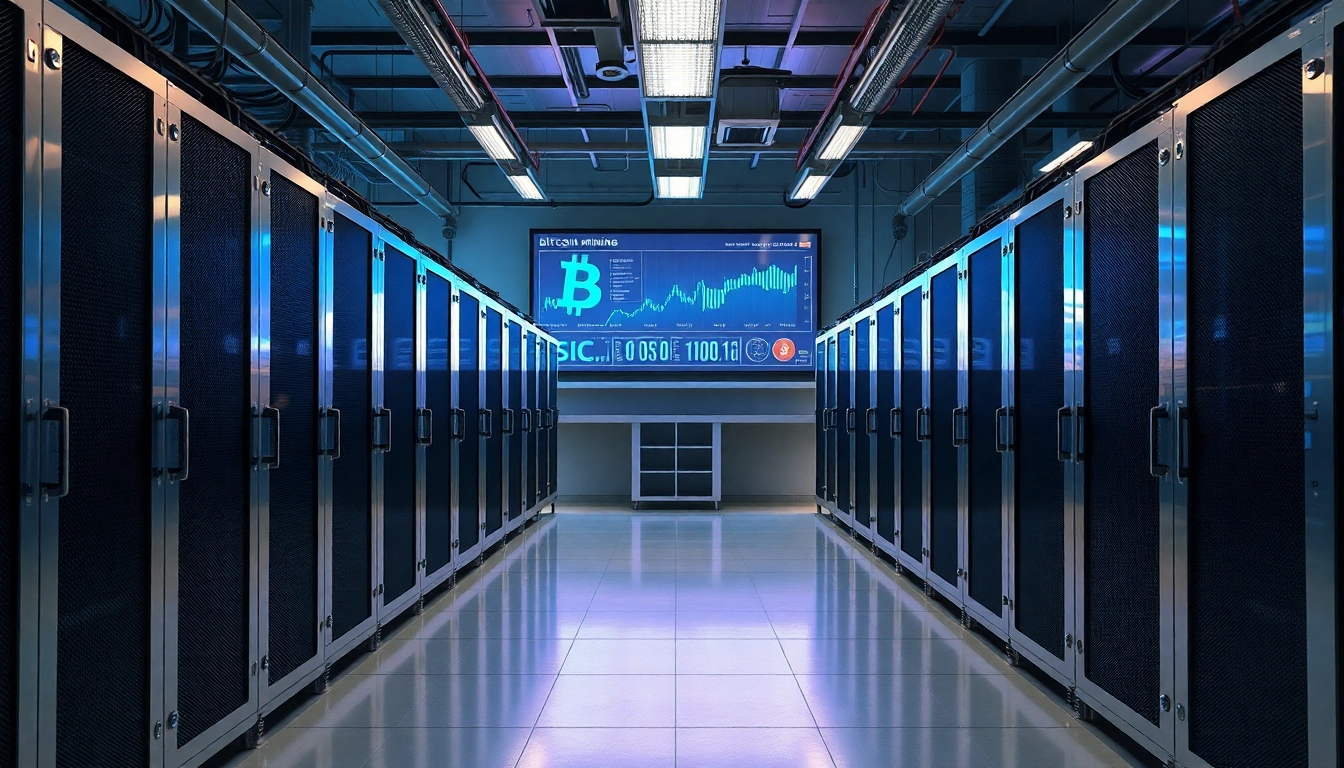
Understanding Bitcoin Mining Basics
Bitcoin mining is a complex yet fascinating process at the heart of the cryptocurrency world. As the primary method through which transactions are verified and added to the public ledger known as the blockchain, it plays a crucial role in maintaining the integrity and security of the Bitcoin network. For individuals and organizations interested in engaging with this revolutionary technology, understanding the fundamentals of bitcoin mining is essential. Moreover, as the industry evolves, being well-informed about current trends, technologies, and best practices can greatly enhance one’s mining efforts.
What is Bitcoin Mining?
At its core, bitcoin mining refers to the process by which participants, known as miners, use powerful computers to solve complex mathematical puzzles. When a puzzle is solved, the miner successfully adds a new block to the blockchain and is rewarded with newly minted bitcoins and transaction fees. This process is crucial for the emergence of new bitcoins into circulation, capped at 21 million coins, and for the confirmation of transactions, thus ensuring the system’s integrity.
The Role of Miners in Blockchain Transactions
Miners serve a dual purpose within the Bitcoin ecosystem. First, they validate and verify transactions by ensuring that no double-spending occurs. This is accomplished through the process of reaching consensus among miners on the legitimacy of transactions within blocks. Second, by doing so, miners contribute to the security of the network, as the more computing power that is dedicated to mining, the more robust the protection against potential attacks.
Types of Bitcoin Mining Technologies
There are several technologies employed in bitcoin mining, each with its distinct advantages and drawbacks. These include:
- ASIC Miners: Application-Specific Integrated Circuits (ASICs) are specialized hardware designed specifically for mining Bitcoin. They offer superior performance and energy efficiency compared to traditional CPUs and GPUs.
- GPU Mining: Graphics Processing Units (GPUs) can also be used for mining. While typically less efficient than ASICs for Bitcoin, they are versatile and can be used for mining other cryptocurrencies.
- Cloud Mining: This approach allows users to rent mining power from remote data centers, eliminating the need for onsite hardware. Although it can be less profitable, it offers convenience to those hesitant to invest in hardware.
Getting Started with Bitcoin Mining
For those looking to dive into the world of bitcoin mining, careful planning and research are paramount. Whether you’re considering a large-scale operation or a smaller, personal endeavor, understanding the essential components can help optimize your efforts. When exploring options, bitcoin mining platforms provide comprehensive insights into hardware choices, market trends, and more.
Choosing the Right Mining Hardware
Selecting the appropriate mining hardware is one of the most critical steps in starting a successful bitcoin mining operation. Factors to consider include:
- Hashrate: This measures the performance of your mining hardware, indicating how many calculations it can perform per second. The higher the hashrate, the better your chances of solving the computational puzzles presented by the Bitcoin network.
- Energy Efficiency: Mining can be resource-intensive, and electricity costs can significantly impact profitability. Therefore, investing in energy-efficient models can lead to long-term sustainability.
- Initial Investment: Depending on your budget, you may choose to invest in high-end ASICs or more accessible GPU-friendly options. Understanding the balance between cost and performance is essential.
Setting Up Your Bitcoin Mining Operation
Once you’ve selected your hardware, the next step is to set up your mining operation. This involves:
- Configuring your mining hardware and software, ensuring they are compatible and optimized for performance.
- Choosing an appropriate location for your setup, considering factors such as temperature control, noise levels, and security.
- Establishing a reliable internet connection to ensure uninterrupted communication with the Bitcoin network.
Understanding Mining Pools: Pros and Cons
Mining pools allow individual miners to combine their resources and share the rewards. This can be advantageous for smaller miners, as it increases the chances of earning Bitcoin. However, it also means sharing rewards and potentially less autonomy. Here are some pros and cons:
- Pros:
- Higher probability of earning rewards compared to solo mining.
- More stable returns over time, as payouts are distributed based on contribution.
- Access to larger pools of resources and knowledge sharing.
- Cons:
- Fees may be charged by the pool operator, cutting into profits.
- Payouts are often smaller, as they are divided among all contributors.
- Less control over your mining strategy and decisions.
Evaluating Bitcoin Mining Profitability
Determining whether mining Bitcoin is a profitable endeavor requires a thorough understanding of various factors, including electricity costs, equipment expenses, and market conditions. Profitability calculations can provide a clearer picture of potential returns on investment.
Cost Analysis: Electricity and Equipment
Electricity typically represents the most significant ongoing expense in a bitcoin mining operation. It’s crucial to analyze:
- The cost per kilowatt-hour in your area, as this can vary greatly.
- The power consumption of your mining setup, which can be found in your hardware specifications.
- Other costs, including cooling solutions, maintenance, and mining pool fees.
How to Calculate Your Mining Profitability
To calculate potential profitability, miners can use profitability calculators available online, which take into account factors like hashrate, electricity costs, current Bitcoin price, and mining difficulty. Understanding how to input accurate data is essential for reliable results.
Market Trends Influencing Bitcoin Mining
The profitability of bitcoin mining is also influenced by broader market trends. Factors to watch for include:
- Price fluctuations of Bitcoin, which directly affect mining rewards.
- Changes in mining difficulty, which can increase or decrease the competitiveness of mining.
- Global regulatory changes, impacting operational costs and legality.
Best Practices for Efficient Bitcoin Mining
To maximize the efficiency and profitability of a mining operation, miners should adhere to best practices that ensure optimal performance and reduce downtime.
Optimize Your Mining Rig Configuration
Fine-tuning settings on your mining rig can significantly enhance performance. Ensure that your hardware is running at optimal temperatures and adjust the clock speeds for maximum efficiency. Benchmarking can help identify the best configuration.
Maintenance Tips for Mining Equipment
Regular maintenance is critical for the longevity of your mining hardware. This includes:
- Cleaning dust from components to prevent overheating.
- Monitoring performance metrics to identify issues early.
- Updating software regularly to benefit from the latest improvements and security fixes.
Monitoring Performance Metrics
Using software tools to track performance metrics enables miners to gauge the effectiveness of their operations. Key metrics to monitor include hashrate, temperature, and power consumption. This data can guide adjustments and fine-tuning for better efficiency.
The Future of Bitcoin Mining in 2025 and Beyond
The future landscape for bitcoin mining is shaped by technological advancements, regulatory changes, and environmental considerations. Those looking to stay competitive must remain adaptable and informed.
Emerging Technologies in Mining
New technologies are reshaping the mining industry, including:
- Green Mining Solutions: Companies are increasingly turning to renewable energy sources, such as solar and wind, to power their operations.
- Advanced Cooling Techniques: Innovative cooling solutions are reducing energy costs and increasing the sustainability of mining operations.
- AI and Machine Learning: These technologies can optimize mining strategies and enhance decision-making processes.
Environmental Impact and Sustainability Considerations
Environmental concerns about the energy consumption of bitcoin mining have prompted discussions about sustainability in the industry. Miners are exploring ways to minimize their carbon footprint and adopt greener practices.
Regulatory Changes Affecting Bitcoin Miners
As governments worldwide continue to develop regulatory frameworks around cryptocurrencies, miners must stay informed about potential changes that could impact their operations. Compliance will be essential not only for legality but also for maintaining a positive public image.