Introduction to Clarksburg Wineries
Nestled along the banks of the Sacramento River, Clarksburg is more than just a picturesque community; it represents a burgeoning hub for wine enthusiasts. With its fertile soil, moderate climate, and a strong focus on sustainable practices, this region is quickly becoming known for its quality wines. Among its various attractions, Clarksburg wineries stand out, offering an array of unique experiences for visitors and locals alike.
A Historical Perspective on Wineries in Clarksburg
The history of winemaking in Clarksburg dates back to the late 19th century when European immigrants first recognized the potential of the area's ideal growing conditions. The fertile lands, enriched by the delta's alluvial soil, made it a perfect spot for grape cultivation. Throughout the decades, small family vineyards began popping up, establishing a local tradition of winemaking that continued to evolve over time.
The real transformation in Clarksburg's winemaking scene began in the late 20th century, with an emphasis on producing high-quality wines that could compete on a national scale. Through dedication and innovation, Clarksburg has transitioned from a largely agricultural community to a recognized wine region, comprising around 30 wineries today. Various styles and techniques now coalesce, each winery telling its own story through their distinct wines.
Why Clarksburg is Renowned for Wine Production
Several key factors contribute to Clarksburg's reputation as a wine powerhouse. First and foremost is the region's climate, which is marked by warm days and cool nights, allowing grapes to ripen optimally while retaining acidity. The delta breezes help to regulate temperatures, further enhancing the growing conditions. Additionally, Clarksburg's soil—predominantly sandy loam—provides excellent drainage and nutrient availability, essential for high-quality grape production.
Moreover, local wineries are committed to sustainable farming practices, ensuring the protection of their environment while promoting biodiversity in their vineyards. This dedication not only yields superior grapes but also fosters a community-centered approach that resonates with consumers looking for environmentally responsible choices. Altogether, these elements create a compelling reason for wine aficionados to invest time exploring Clarksburg’s vineyards.
Key Varietals Grown in Clarksburg
Clarksburg claims a diverse selection of wine varietals, with each winery showcasing its unique interpretation of traditional grapes. Among the standout varietals are:
- Chardonnay: Highly celebrated, this white grape variety thrives in Clarksburg's climate, producing crisp, mineral-driven wines that can reflect both oak and non-oak aging.
- Cabernet Sauvignon: Known for its robust flavors and aging potential, Clarksburg's Cabernet Sauvignon offers deep fruit flavors balanced with exquisite tannins.
- Merlot: This approachable varietal reveals soft textures and a delightful fruit profile, making it a favorite among many wine drinkers.
- Viognier: An aromatic white wine typically characterized by its floral notes and stone fruits, Viognier has gained popularity among local winemakers.
- Zinfandel: A nod to the area's history, Zinfandel thrives in Clarksburg, producing rich and jammy reds that often accompany robust culinary experiences.
Exploring Wine Tasting Experiences
For many visitors, wine tasting serves as the pinnacle of the Clarksburg winery experience. Each winery presents an opportunity not only to taste a variety of wines but also to connect with the passion and artistry behind their production.
How to Choose the Right Winery to Visit
When selecting a winery to visit in Clarksburg, consider the following factors:
- Type of Wines: Determine which varietals interest you. Some wineries specialize in bold reds, while others focus on crisp whites or dessert wines.
- Amenity Check: Look for wineries that offer amenities like picnic areas, guided tours, or tasting food pairings that can enhance your experience.
- Accessibility: Consider the location and opening hours of the winery. Many wineries require reservations, especially during peak seasons.
- Customer Reviews: Reading reviews can provide insights into the experiences of previous visitors, helping you to gauge the quality of service and atmosphere.
Understanding Wine Tasting Etiquette
Wine tasting is both an art and a science, and adhering to proper etiquette can significantly enhance the experience:
- Respect the Space: Treat the tasting room staff and fellow guests with courtesy. Keep noise levels down and maintain a respectful demeanor.
- Take it Slow: Savor every sip. Take the time to appreciate the wine’s aroma, color, and taste before moving on to the next pour.
- Ask Questions: Don’t hesitate to engage with the staff. Inquiries about the wine's origin, production methods, or flavor notes often lead to insightful conversations.
- Know When to Spit or Sip: If you're tasting multiple wines, consider spitting to avoid becoming too inebriated. It's a common practice among wine enthusiasts.
Unique Wine Events in Clarksburg
Clarksburg offers various unique events throughout the year that elevate the wine-tasting experience:
- Harvest Festival: Celebrate the grape harvest with food, music, and, of course, plenty of wine tasting.
- Winemaker Dinners: Some wineries host intimate dinners paired with special wines, allowing guests to mingle and experience food pairings firsthand.
- Art & Wine Events: These events combine local art exhibitions with wine tastings, offering a sensory experience that highlights the region's culture.
The Vine to Wine Journey
Understanding the journey from vine to wine demystifies the intricate process involved in producing a bottle of wine. This knowledge enhances appreciation for each sip.
Understanding the Winemaking Process
The process of winemaking can be summarized into several key stages:
- Harvesting: Grapes are typically harvested in late summer to early fall, depending on the varietal and desired ripeness.
- Crushing and Pressing: After harvesting, grapes are crushed to release their juice. For white wines, the juice is often pressed away from the skins immediately, while red wines ferment the skins along with the juice.
- Fermentation: The grape juice is then fermented with yeast, converting sugars into alcohol. This process can take a week or longer, depending on stylistic choices.
- Aging: After fermentation, wines may be aged in stainless steel or oak barrels for added complexity before bottling.
- Bottling: Once aged and blended, wines are filtered and bottled, sometimes requiring additional aging in the bottle before release.
Where to Buy Clarksburg Wines
Purchasing Clarksburg wines can be a delightful adventure. Visitors can buy wine directly from wineries at their tasting rooms, often receiving exclusive offerings not available elsewhere. Additionally, many local retailers stock Clarksburg wines. For broader access, online shopping options exist, allowing customers to order directly from the estate and have their favorites shipped home.
Pairing Food with Clarksburg Wines
Completing the wine experience often involves food pairings. Pairing Clarksburg wines with local cuisine can enhance the tasting experience:
- Chardonnay: Pairs well with rich dishes such as creamy pastas or grilled fish.
- Cabernet Sauvignon: Complements hearty meals like steak or lamb, balancing the bold flavors with its tannins.
- Viognier: Its floral notes make it an excellent match for aromatic dishes like Thai or Indian cuisine.
Visiting Tips for Tourists
For an enjoyable visit to Clarksburg’s wineries, consider the following tips:
Best Times to Visit Clarksburg Wineries
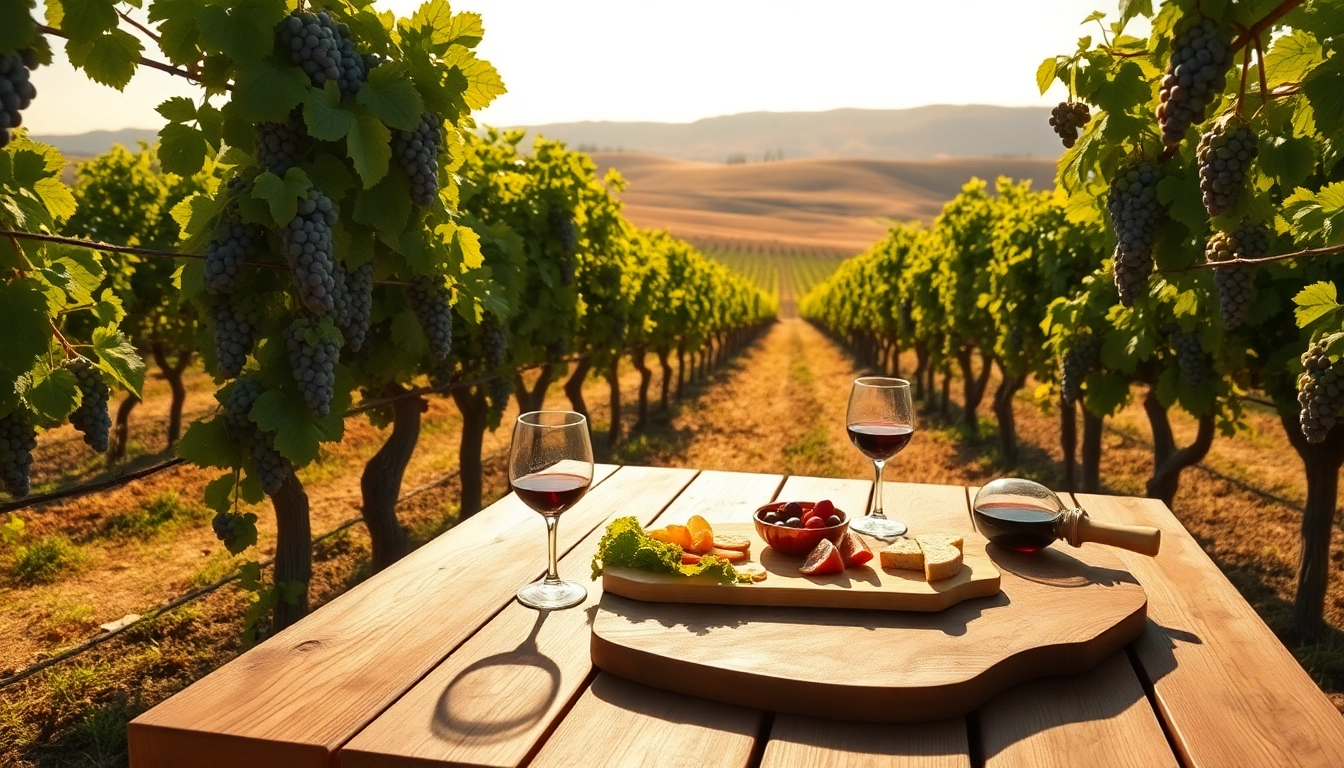
The best times to visit Clarksburg wineries are during the spring and fall. Spring unveils beautiful blooms across the vineyards, signaling the start of a new growing season. Fall brings a vibrant tapestry of colors as grapes are harvested. Both seasons offer pleasant weather, ideal for outdoor tastings and vineyard strolls.
Accommodation Options Near Clarksburg
Visitors will find a range of accommodation options near Clarksburg, from charming bed-and-breakfasts to boutique hotels. Staying locally enhances the wine experience, allowing easy access to multiple wineries without the hassle of extended commutes. Researching ahead for special offers can yield a cozy overnight stay.
Seasonal Festivals and Events
Clarksburg is vibrant with seasonal events that celebrate the area's rich wine culture. The annual Harvest Festival is among the most notable, where guests can enjoy a day full of wine tasting, food, and live entertainment. Additionally, wineries often host themed events throughout the year, including blending challenges and winemaker talks, providing immersive experiences for visitors.
Frequently Asked Questions
What types of wines are unique to Clarksburg?
Clarksburg is known for its rich varietals, predominantly Chardonnay and Cabernet Sauvignon, which reflect the region's unique terroir.
When is the best time to visit Clarksburg wineries?
Spring and fall are ideal for visiting, as they provide pleasant weather and stunning vineyard scenery, enhancing your experience.
Are wine tours available in Clarksburg?
Yes, many wineries offer guided tours where visitors can explore the vineyard and learn about the winemaking process, culminating in tasting sessions.
Can I purchase wine directly from the wineries?
Absolutely! Most Clarksburg wineries welcome visitors to buy wines directly from their tasting rooms, often featuring exclusive selections.
What should I wear when visiting wineries?
Comfortable clothing and sturdy footwear are recommended for walking through vineyards and enjoying tastings, especially during tours.