1. What is Drayage and Its Importance in Logistics?
Drayage plays a pivotal role in logistics, primarily involving the transportation of shipping containers over short distances. This specialized service is crucial for moving goods from ports to warehouses or distribution centers. Given the rapid growth of global trade, understanding drayage services and their significance becomes increasingly vital for businesses reliant on efficient supply chain management.
1.1 Definition and Scope of Drayage
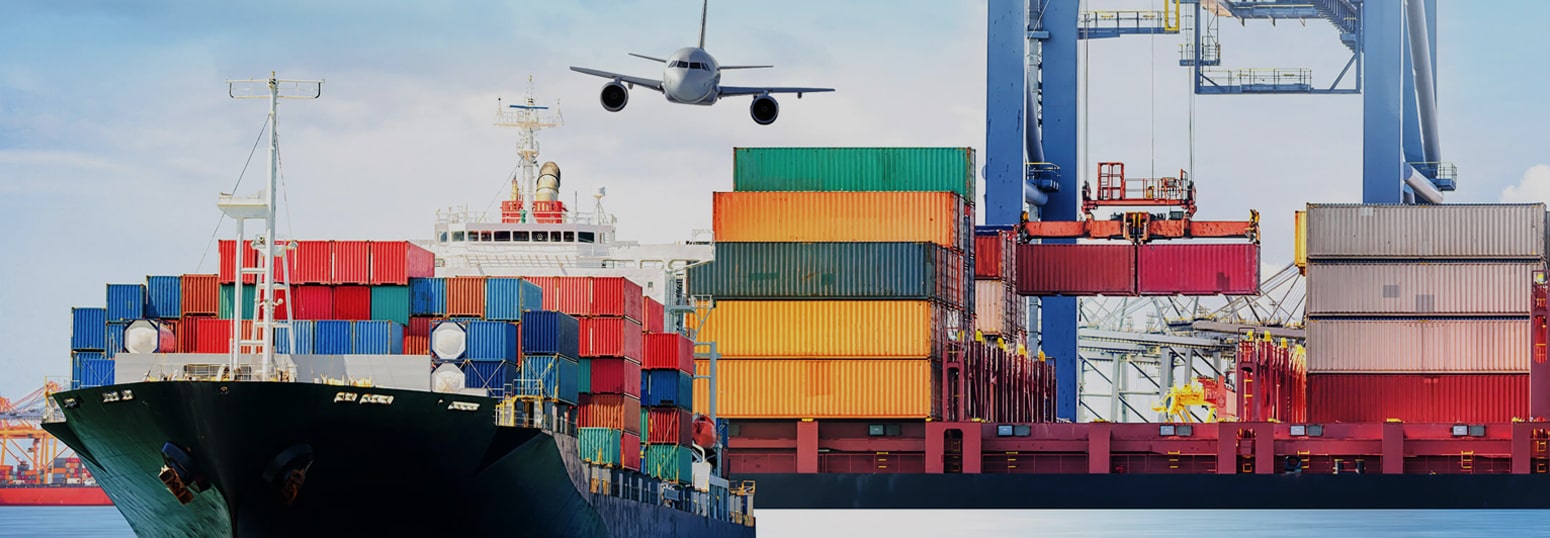
Drayage can be succinctly defined as the transport of goods, typically in shipping containers, over short distances—usually less than 50 miles. This process often serves as a critical link in the supply chain, connecting various shipping modes, such as ocean freight, rail transportation, and final delivery by truck.
The necessity of drayage arises from the need to move containers from one transportation hub to another while avoiding costly delays in the logistics pipeline. Notably, drayage is often included as a component of larger logistics operations, facilitating transitions between different modes of transport and ensuring the smooth flow of goods through the supply chain.
1.2 Key Players in the Drayage Industry
The drayage industry comprises various key players that ensure the efficient transportation of goods. These include:
- Drayage Carriers: Companies specializing in short-distance container transport. They operate fleets of trucks and are responsible for managing the physical movement of goods.
- Shippers: Businesses that provide goods for transport. They rely on drayage services to facilitate timely deliveries to distribution centers or retailers.
- Consolidators: Firms that combine shipments from multiple shippers, thereby optimizing transportation costs and enhancing efficiency.
- Ports and Warehouses: Key infrastructure players that serve as points of origin and destination in the drayage process.
1.3 Importance of Drayage in Supply Chain Management
Drayage is essential in supply chain management for several reasons:
- Facilitates Intermodal Transportation: It acts as a bridge between different transportation methods, aiding the transition of goods from ships to trucks or trains.
- Reduces Overall Transportation Costs: By connecting various freight lines, drayage helps consolidate shipping operations, leading to lower costs for businesses.
- Improves Delivery Speed: Efficient drayage operations allow for faster movement of goods, enhancing the overall responsiveness of the supply chain.
- Aids in Inventory Management: As drayage is integral to just-in-time inventory systems, it ensures that goods arrive precisely when needed.
2. Types of Drayage Services
Drayage services can be categorized based on their operational focus and customer needs. Each type serves unique operational requirements and logistical challenges.
2.1 Port-to-Warehouse Drayage
Port-to-warehouse drayage involves transporting containers from a seaport directly to a warehouse or distribution center. This service is one of the most common forms of drayage, ensuring that containers are readily available for inventory replenishment or order fulfillment. Quality port-to-warehouse services can significantly reduce lead times and improve supply chain efficiency.
2.2 Intermodal Drayage
Intermodal drayage facilitates the transfer of containers between different modes of transport, such as from a ship to a train or truck. This type of drayage is crucial for optimizing logistics as it enables shippers to leverage multiple transportation methods for cost-effective, efficient delivery. Intermodal drayage is particularly beneficial when addressing the environmental impact of logistics, as it enables companies to use more sustainable transport options, such as rail, where feasible.
2.3 Expedited Drayage Services
Expedited drayage services cater to urgent shipping needs, allowing for faster pickup and delivery of containers. This type of service is vital when shippers face tight deadlines or unexpected disruptions. Although typically more expensive due to the premium service provided, expedited drayage can prevent financial losses caused by delays in distribution.
3. Challenges Faced in Drayage Operations
While drayage plays an essential role in logistics, it presents various operational challenges that companies must navigate to ensure efficient service delivery.
3.1 Traffic Congestion and Delays
One of the most significant challenges in drayage is traffic congestion, especially in and around major ports and urban areas. Increased container volumes can result in bottlenecks, leading to delays in deliveries. To mitigate this issue, companies often invest in advanced routing technologies and optimize scheduling to avoid peak traffic times.
3.2 Compliance and Regulatory Issues
Drayage operations are subject to various regulatory requirements at the local, state, and federal levels. Compliance with these regulations can be complex, especially for companies operating in multiple jurisdictions. To maintain compliance, drayage providers must keep abreast of changes in laws, such as environmental regulations and safety standards, which can vary significantly across regions.
3.3 High Costs and Accessibility Issues
The costs associated with drayage can be substantial, particularly due to fuel price fluctuations and labor expenses. Moreover, accessibility issues, such as limited access to certain delivery areas, can complicate operations further. Companies need to conduct thorough analysis and budgeting strategies to manage these costs effectively while maintaining service reliability.
4. Best Practices for Optimizing Drayage
To counteract the challenges associated with drayage and enhance operational efficiency, companies should adopt several best practices designed to optimize their drayage operations.
4.1 Technology in Drayage Management
Implementing technology, such as transportation management systems (TMS) and real-time tracking software, can significantly enhance drayage operations. These tools provide visibility into container movements and help optimize routing and scheduling. Increased transparency allows for more informed decision-making and helps reduce delays caused by miscommunication or lack of visibility.
4.2 Strategic Planning and Scheduling
Effective planning is essential for efficient drayage operations. Companies should analyze traffic patterns, peak season demands, and any potential disruptions in advance to ensure that their logistics plans align with actual conditions. Utilizing a just-in-time approach can also help companies minimize wait times and maximize efficiency.
4.3 Partnering with Reliable Drayage Providers
Collaborating with dependable drayage providers is crucial. Businesses should perform due diligence when selecting partners based on their track record, compliance with regulations, and technology adoption. Establishing strong partnerships can lead to improved service reliability, reduced costs, and better overall performance.
5. Future Trends in Drayage Services
The drayage landscape is evolving, influenced by advancements in technology and changing market needs. Several emerging trends are shaping the future of drayage services.
5.1 The Role of Automation in Drayage
Automation technologies, including autonomous trucks and AI-based optimization solutions, are beginning to play a critical role in drayage operations. These advancements can enhance efficiency, reduce operational costs, and mitigate the impact of labor shortages, which have become increasingly prevalent in the logistics industry.
5.2 Sustainable Practices in Drayage
With increasing pressure on businesses to adopt environmentally friendly practices, sustainability is becoming a focus within the drayage sector. Companies are exploring options such as electric vehicles and optimizing routes to reduce emissions. Adopting sustainable practices not only helps the environment but can also improve a company’s public image and bottom line by attracting eco-conscious customers.
5.3 The Impact of E-Commerce on Drayage
The rise of e-commerce has significantly impacted drayage services. As consumer expectations for faster delivery times increase, drayage operations must adapt to meet these needs. Moreover, the growth of e-commerce has led to changes in packing and logistics strategies, requiring more agile drayage solutions to keep pace with demand.
As we navigate an increasingly rapid pace of global commerce, understanding the nuances of drayage becomes critical. With its vital role in the logistics ecosystem, the future of drayage rests on technological advancements, sustainable practices, and a steadfast commitment to operational excellence.