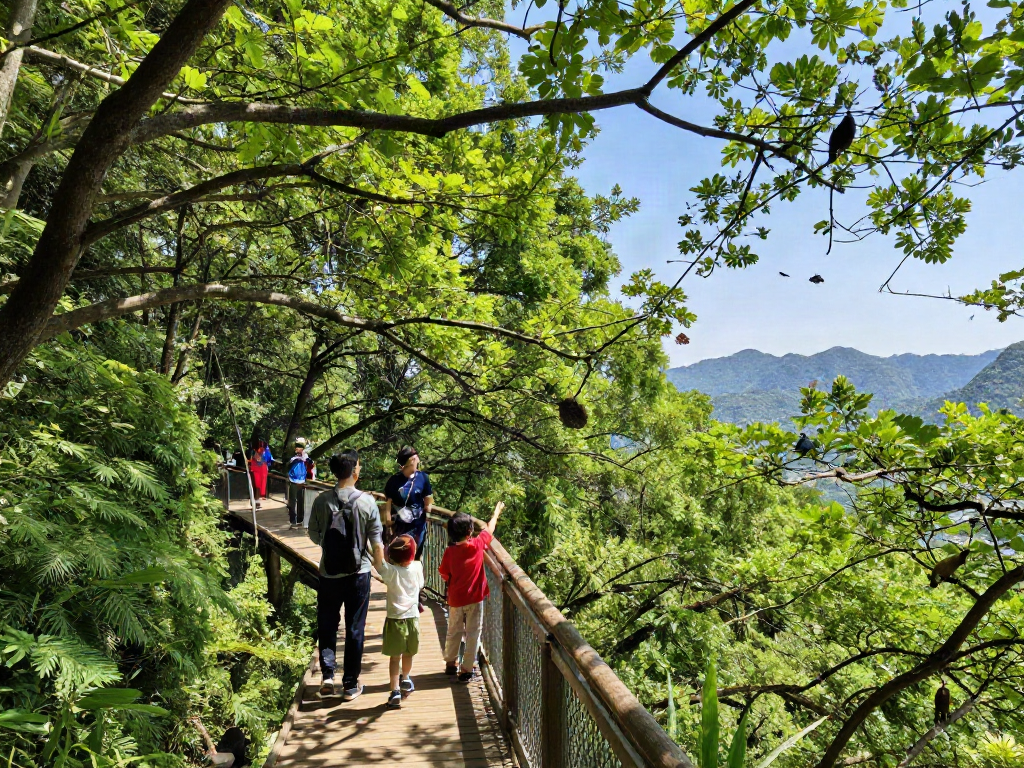
Introduction to Treetop Walkways
When it comes to experiencing nature from a unique vantage point, a Treetop Walkway stands out as an exceptional choice. These elevated pathways not only provide breathtaking views of the forest canopy but also allow visitors to immerse themselves in the rustic beauty of their surroundings. As outdoor activities gain popularity in 2026, treetop walkways are becoming increasingly sought-after destinations, combining adventure with environmental exploration.
What is a Treetop Walkway?
A treetop walkway is an elevated pedestrian pathway designed to allow visitors to experience the forest canopy up close. Typically constructed with eco-friendly materials, these walkways often range from a few metres to over a hundred metres in length, suspended high above the ground. With platforms that wind through the trees, they offer a unique perspective of the wildlife and flora that thrive within these ecosystems.
History and Evolution of Treetop Walkways
The concept of treetop walkways dates back to the late 20th century. One of the first notable examples was the Canopy Walkway at the Monteverde Cloud Forest Reserve in Costa Rica, established in the 1990s. This innovative design aimed to provide tourists and researchers access to regions of the forest previously unreachable, promoting both education and conservation. Over the years, the treetop walkway concept has expanded globally, with various designs tailored to local environments.
Benefits of Visiting a Treetop Walkway
- Unique Perspective: Walking among the treetops offers a bird’s eye view of the natural world, revealing ecosystems that are often overlooked at ground level.
- Engagement with Nature: These walkways provide an opportunity to connect with nature, fostering a sense of adventure and appreciation for the environment.
- Wildlife Observation: Treetop walkways are prime locations for spotting birds, insects, and other wildlife that inhabit the canopy.
- Physical Activity: Walking the trails promotes physical health and well-being, encouraging visitors to engage in outdoor exercise.
Top Treetop Walkways Around the World
Must-Visit Treetop Walkways in the UK
The UK is home to some stunning treetop walkways that showcase the beauty of its diverse woodlands. One notable example is the Tree Top Walkway at Kew Gardens, which offers visitors an 18-meter high perspective, winding through beautiful trees while providing insights into the ecosystems below. Other notable locations include the Treetop Walk at Grizedale Forest and the Go Ape! Treetop Adventure in several locations across the UK, boasting thrilling zip lines and climbing structures.
International Treetop Walkway Highlights
Internationally, the Wild Walk at The Wild Center in New York provides a unique experience, featuring a four-story treehouse and interactive elements to engage visitors. In Australia, the Valley of the Giants Tree Top Walk offers a stunning canopy experience amidst ancient tingle trees, standing at 40 meters above the ground. Each walkway offers distinct features that enhance the visitor experience, from informative signage to immersive installations.
Unique Features of Various Treetop Walkways
Each treetop walkway varies significantly in design and features. Some include educational components that inform visitors about local flora and fauna, while others may have thrilling elements like suspension bridges or zip lines. For instance, the Canopy Walkway in the Amazon showcases vibrant wildlife, while the treetop walk at Ravenscraig in Scotland highlights the interplay between tree growth and local weather patterns.
Planning Your Visit to a Treetop Walkway
Best Times to Visit
Timing can greatly enhance your experience on a treetop walkway. The best months to visit typically align with the region's dry seasons, allowing for clear views and more comfortable walking conditions. Early mornings and late afternoons are particularly delightful, offering softer lighting and a greater chance of spotting wildlife.
What to Bring for Your Adventure
Preparation is key to enjoying your treetop adventure. Essential items include:
- Comfortable Footwear: Sturdy shoes suitable for walking on various surfaces.
- Camera: Capture the stunning views and wildlife encounters.
- Water: Stay hydrated, especially on warm days.
- Sunscreen: Protect your skin from the sun’s rays while exposed at higher elevations.
Accessibility Considerations for Visitors
Many treetop walkways are designed to be accessible, featuring ramps and smooth surfaces for those with mobility challenges. It's crucial to check in advance to ensure facilities accommodate all visitors and provide the necessary support for a fulfilling experience.
Experiential Insights on Treetop Walkways
Connecting with Nature: The Psychological Benefits
Studies consistently show that spending time in nature can improve mental health. Treetop walkways not only allow for physical activity but also provide a unique setting for reflection and relaxation. The act of walking among trees—observing their immense height and strength—can instil a sense of calmness and connection to the natural world.
Wildlife Spotting on Treetop Walkways
Many visitors are drawn to treetop walkways for the opportunity to see wildlife in its natural habitat. From colourful birds flitting between branches to squirrels engaging in playful antics, these elevated pathways can reveal a world teeming with life that is often hidden from ground-level views. Some walkways even offer binoculars for an enhanced viewing experience.
Activities and Experiences Beyond Walking
While the primary draw of treetop walkways is the experience of walking among the trees, many locations incorporate additional activities. Some sites offer guided nature walks, educational workshops, or even adventurous zip lines that allow visitors to soar through the canopy. Engaging in these activities can significantly enhance your treetop experience.
The Future of Treetop Walkways
Innovative Designs and Sustainability Practices
The future of treetop walkways will undoubtedly see a rise in eco-friendly designs that focus on sustainability and environmental preservation. Innovative building materials and designs that blend seamlessly with nature will ensure that these structures not only minimise their ecological footprint but also enhance the visitor experience.
Upcoming Treetop Walkway Projects for 2026
Several new treetop walkways are set to open in 2026, expanding access to nature in urban areas. Notable projects include a new walkway in Central Park, aiming to raise awareness about urban biodiversity, and a proposed walkway in New Zealand, designed to showcase the country’s unique flora and fauna.
Engagement with Local Communities and Conservation Efforts
Many treetop walkway projects are increasingly involving local communities, promoting conservation efforts and environmental education. These partnerships aim not only to protect native habitats but also to provide economic opportunities for local residents through ecotourism. Visitors can contribute positively to these efforts by supporting local businesses and participating in educational programmes offered at the walkways.
Is the treetop walk worth it?
For nature lovers and adventure enthusiasts alike, a treetop walk offers a unique perspective that is truly worth the experience. Whether you are watching birds soar above or simply soaking in the sights, the benefits of visiting a treetop walkway extend beyond the physical adventure, promoting mental wellbeing and a greater appreciation for our natural world.
Where is the Treetop Walkway?
Treetop walkways are located worldwide, often in national parks, botanical gardens, and conservation areas. For those searching for specific locations, many online resources detail the nearest treetop walkways, allowing visitors to plan their outdoor adventures effectively.
How long is the Tree Top Walk Trail?
The length of treetop walk trails can vary significantly, with some offering short walks of about 200 metres, while others may extend over a kilometre. A typical walk can take anywhere from 30 minutes to several hours, depending on the trail conditions and the number of stops made along the way to enjoy the scenery.