Understanding Construction Site Safety
Construction site safety is an essential aspect of the building and infrastructure development industry. It encompasses a range of practices aimed at ensuring that workers, visitors, and the surrounding community are protected from hazards that are inherent to construction projects. Implementing strict safety measures not only prevents accidents and injuries but also promotes a culture of responsibility and efficiency. Hence, awareness and adherence to construction site safety protocols are crucial for all stakeholders involved.
The Importance of Construction Site Safety
Ensuring safety on construction sites holds paramount importance for numerous reasons. Firstly, the welfare of workers is fundamental; every individual deserves a secure working environment. Secondly, construction accidents can result in considerable financial losses due to medical expenses, legal liabilities, and project delays. Furthermore, maintaining a good safety record enhances a company's reputation, leading to higher client confidence and potentially larger projects in the future.
Investing in safety measures often translates to reduced insurance costs and lower staff turnover rates, fostering a more experienced workforce. Additionally, efficient safety practices can lead to complying with legal standards, thereby avoiding costly penalties and ensuring smooth project execution.
Common Hazards on Construction Sites
Construction sites are fraught with unique hazards that can pose significant risks if not appropriately managed. Some of the most common hazards include:
- Falls: Workers are susceptible to falls from scaffolding, ladders, or rooftops, often resulting in severe injuries.
- Equipment Malfunctions: Heavy machinery such as cranes and excavators can malfunction, leading to grave accidents.
- Electric Shock: Electrical hazards are prevalent on construction sites, especially where wiring is poorly managed.
- Exposure to Hazardous Materials: Workers may come into contact with toxic substances, including asbestos or chemicals.
- Noise-Induced Hearing Loss: Prolonged exposure to loud machinery can lead to hearing impairment.
Understanding these hazards allows for the implementation of targeted safety measures to mitigate risks effectively.
Legal Regulations and Compliance
Compliance with legal regulations regarding construction site safety is non-negotiable. Regulations set by organizations such as the Occupational Safety and Health Administration (OSHA) outline mandatory safety standards that construction companies must adhere to, ensuring worker protection. Companies are required to conduct risk assessments, provide adequate training, and maintain accurate records of safety procedures. Non-compliance can lead to serious legal repercussions, including heavy fines and stop-work orders. Therefore, it is vital for construction firms to not only meet but exceed these safety requirements to build a culture of security and trust.
Key Safety Equipment and Gear
Personal Protective Equipment (PPE) Overview
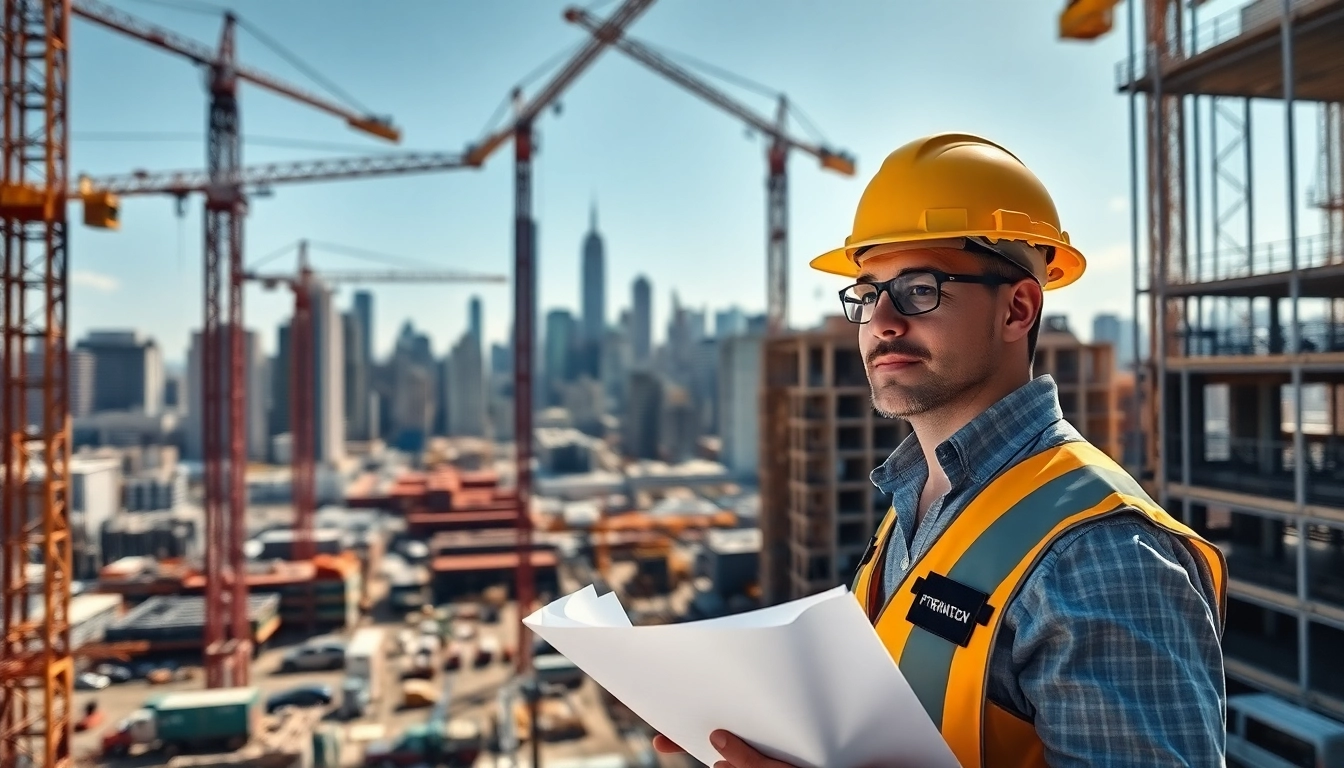
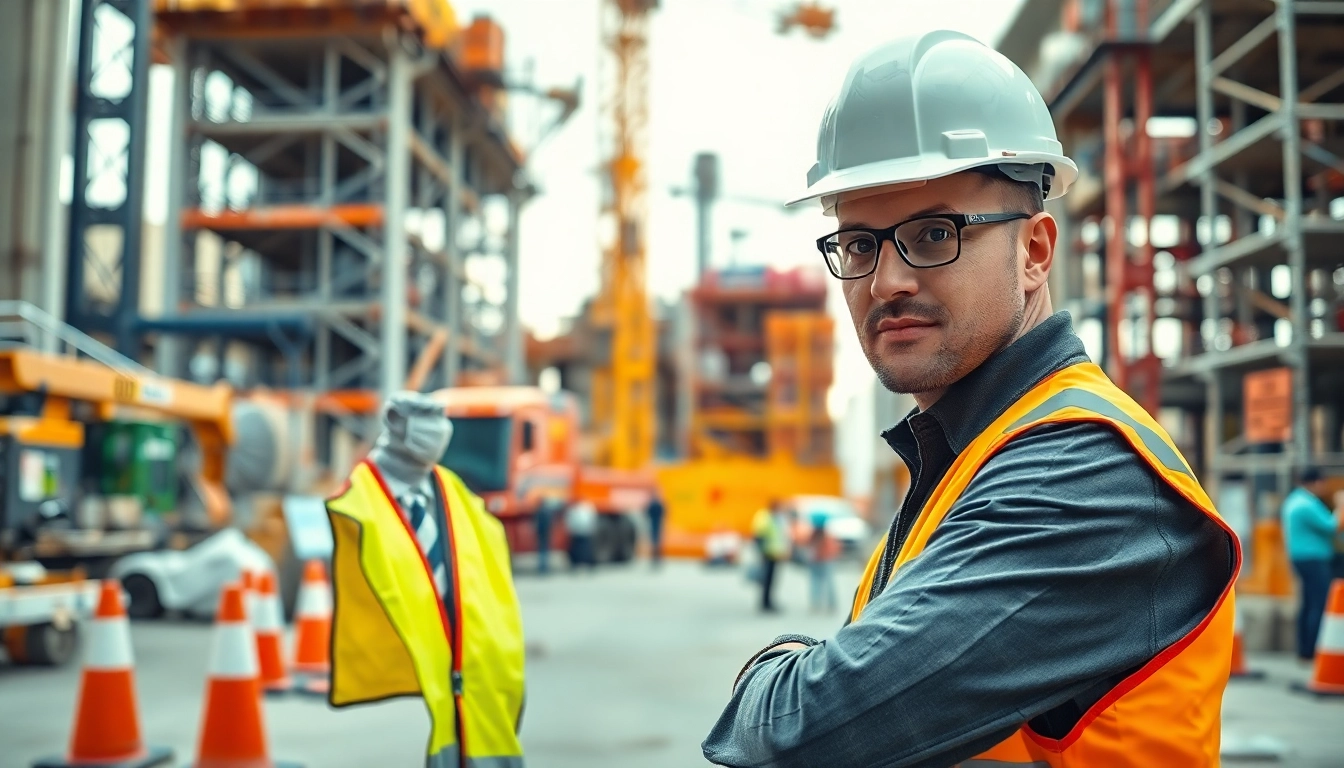
Personal Protective Equipment (PPE) is the frontline of defense against construction site hazards. PPE includes a variety of items designed to protect the body from injuries and illnesses. Essential PPE includes:
- Hard Hats: Protect against head injuries from falling objects.
- Safety Glasses: Shield the eyes from dust, debris, and chemical splashes.
- High-Visibility Clothing: Ensure workers are visible in hazardous conditions and near moving vehicles.
- Respirators: Guard against inhaling harmful dust and chemical vapors.
- Ear Protection: Prevent hearing loss due to noise exposure from heavy machinery.
Regularly inspecting and ensuring the availability of suitable PPE is critical to maintaining a safe work environment.
Essential Tools for Safety Management
In addition to PPE, effective safety management requires the use of specialized tools and equipment. This includes:
- Safety Barriers: Protect workers from falls by creating secure zones.
- First Aid Kits: Must be easily accessible and fully stocked to address injuries promptly.
- Fire Extinguishers: Essential for combating any unexpected fires that may arise on site.
- Signage: Clearly mark safety zones, hazards, and necessary instructions to guide personnel.
- Site Safety Plans: Tools for outlining safety protocols that must be followed on-site.
Equipping teams with these tools enhances readiness, ensuring quick responses to emergencies and ensuring ongoing safety compliance.
Innovative Safety Technologies
With the rise of technology, innovative solutions have emerged to enhance construction site safety. This includes:
- Drones: Used for surveying sites, drones can identify potential hazards from a bird's eye view.
- Wearable Technologies: Devices that monitor health metrics and alert workers to environmental changes.
- Site Safety Management Software: These tools help in tracking incidents, managing equipment inspections, and monitoring compliance.
- Virtual Reality (VR): Used for training programs, VR simulates hazardous situations in a safe environment, allowing workers to react appropriately.
- Automated Safety Systems: Implementing sensor technologies that can alert workers to hazards in real-time.
Leveraging these technologies not only promotes safety but also boosts productivity and efficiency on construction sites.
Best Practices for Construction Site Safety
Conducting Regular Safety Training
Continuous education is crucial for reinforcing safety practices among construction workers. Regular safety training sessions help employees stay informed about the latest safety protocols and best practices. These sessions should:
- Be tailored to the specific hazards of the site.
- Include hands-on training that focuses on equipment usage and emergency procedures.
- Employ varied learning methods, such as seminars, workshops, and simulations to accommodate different learning styles.
- Encourage open discussions about safety concerns, allowing workers to share experiences.
Regularly updating training materials and sessions helps in addressing new risks as they arise, fostering a culture of proactive safety management.
Proper On-Site Communication Methods
Effective communication is vital in preventing accidents on construction sites. Workers must be able to convey safety concerns and hazards quickly and efficiently. Best practices for on-site communication include:
- Implementing daily safety briefings to discuss potential hazards for ongoing tasks.
- Utilizing walkie-talkies or other communication devices to ensure instant communication among workers.
- Establishing clear signal systems for heavy machinery operations to alert workers of movements.
- Creating a structured escalation process for reporting safety issues to site managers.
Encouraging a culture of open communication reinforces the importance of safety and allows for immediate action to be taken when hazards are identified.
Implementing Safety Checklists
Safety checklists serve as a practical tool to ensure that safety measures are consistently followed. Regularly updated checklists can be employed in various ways:
- Pre-work checklists to affirm that all safety equipment and protocols are in place before beginning tasks.
- Daily checklists to monitor compliance with safety regulations throughout the workday.
- Project completion checklists that ensure all safety metrics were adhered to before concluding a project.
- Incident report checklists to aid in the analysis of any safety violations post-incident.
By utilizing safety checklists, teams can enhance accountability, making sure that each worker understands and follows safety measures accurately.
Emergency Procedures and Protocols
Preparing for Accidents on Site
Despite thorough safety protocols, accidents can still occur. Having comprehensive emergency procedures in place is essential for minimizing the impact of incidents. Preparation includes:
- Establishing clear evacuation routes and assembly points should an emergency arise.
- Regularly conducting emergency drills to prepare workers for real-life scenarios.
- Designating emergency response teams trained to handle specific incidents.
- Creating access to first responders with well-defined protocols for reporting locations of injuries.
Proper emergency preparation not only protects workers but also helps to preserve project integrity and minimize downtime.
First Aid and Rescue Operations
Having a well-equipped first aid team and protocol is imperative on construction sites. Essential components include:
- Ensuring first responders are trained in CPR and basic first aid to handle common injuries.
- Maintaining fully stocked first aid kits on site, accessible without delay.
- Developing a recovery plan for injured workers that includes transportation to medical facilities.
- Conducting post-incident follow-ups to ensure proper recovery and support for affected employees.
Effective medical response can save lives and ensure workers return to their tasks safely and effectively.
Responding to Safety Violations
Immediately addressing safety violations is crucial for maintaining a culture of safety. Responding effectively includes:
- Reporting the violation to the appropriate supervisor for review.
- Temporarily suspending work activities related to the violation until it is rectified.
- Conducting investigations to understand the cause and prevent future occurrences.
- Providing feedback to team members involved to reinforce safety training and expectations.
Addressing violations promptly helps instill a serious approach among workers towards safety regulations.
Measuring the Effectiveness of Safety Programs
Key Performance Indicators for Safety
Evaluating the effectiveness of safety programs is vital to ensure continuous improvement. Key Performance Indicators (KPIs) for measuring safety effectiveness may include:
- Incident rates: The frequency of documented on-site injuries.
- Compliance audits: The number of safety violations identified in regular inspections.
- Cost of injuries: Financial implications related to medical bills and litigation.
- Training effectiveness: Improvement in incident rates post-training sessions.
By closely monitoring KPIs, construction companies can identify successful strategies and areas needing improvement.
Continuous Improvement Strategies
Safety is an ongoing process that requires consistent enhancement. Continuous improvement can be achieved through:
- Regularly reviewing and updating safety policies based on incident reports and feedback.
- Engaging in open dialogues with workers about safety experiences and suggestions for improvement.
- Incorporating new technology or methods that can enhance existing safety practices.
- Benchmarking against industry standards to gauge effectiveness reliably.
Emphasizing continuous improvement helps foster a culture of safety that evolves alongside the dynamic nature of construction work.
Using Feedback for Future Safety Enhancements
Feedback from workers can provide invaluable insights into safety practices. To harness this feedback effectively:
- Encourage workers to report safety concerns or near misses anonymously if preferred.
- Conduct follow-up surveys post-training to gauge effectiveness and areas for enhancement.
- Set up feedback forums that allow for discussion of safety challenges.
- Collaborate with employees to develop new safety initiatives based on their input.
Utilizing feedback, companies can make informed decisions to enhance safety measures continually.
Frequently Asked Questions About Construction Site Safety
What is construction site safety?
Construction site safety refers to practices and policies aimed at minimizing hazards and ensuring the well-being of workers involved in construction activities.
What are the most common hazards on construction sites?
Common hazards include falls, equipment malfunctions, electrical shocks, exposure to hazardous materials, and noise-induced hearing loss.
Why is PPE important on construction sites?
PPE protects workers from potential injuries and exposures to hazardous conditions, making it essential for maintaining a safe work environment.
How often should safety training be conducted?
Safety training should be conducted regularly, ideally before new projects and whenever new equipment or procedures are introduced.
What should I do if I witness a safety violation?
Report the violation to a supervisor immediately to ensure corrective actions can be taken swiftly and prevent potential accidents.