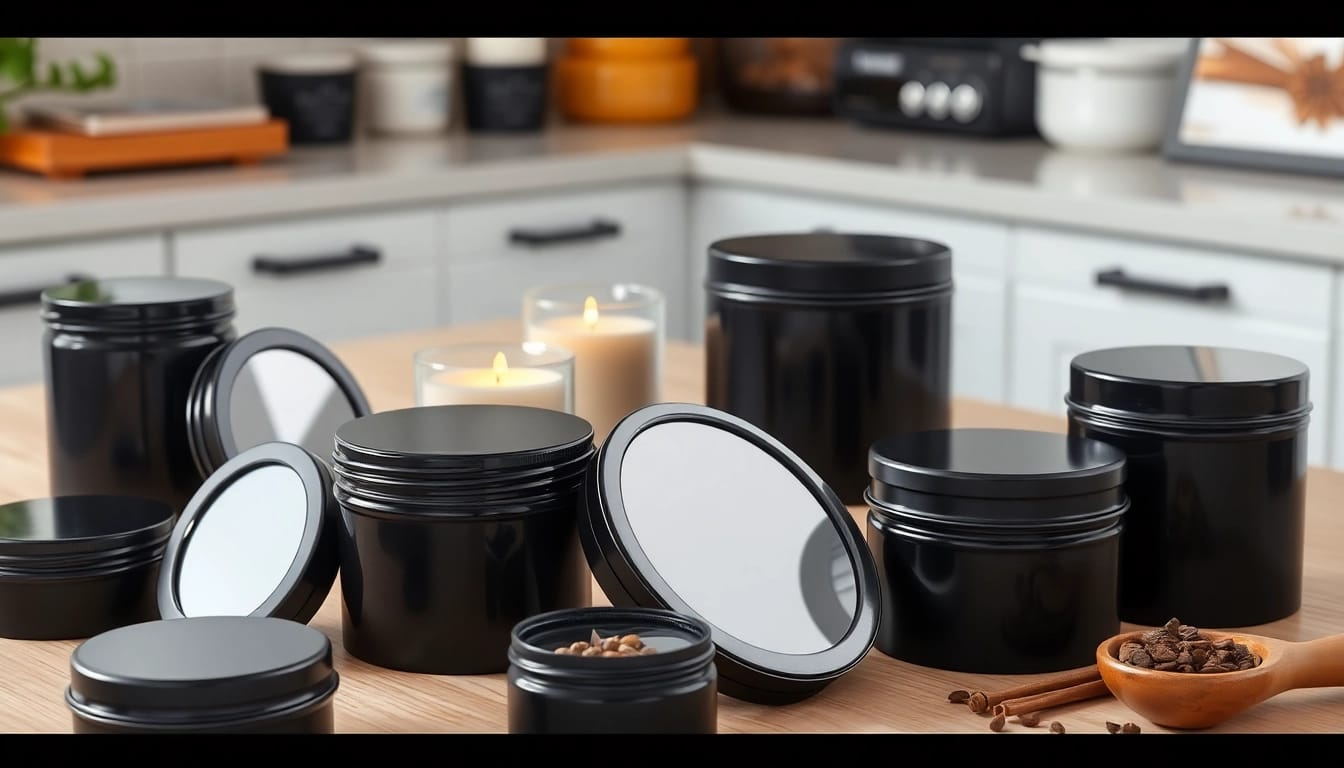
The Versatility of Black Tins
Black tins have become a staple in various industries, appreciated for their classic design and versatile applications. From packaging luxury candles to storing high-end teas, these tins not only protect the contents but also enhance their presentation. As the demand for customized packaging solutions continues to rise, many businesses are turning to black tins for their aesthetic appeal and functionality.
Understanding Black Tins: Types and Use Cases
Black tins come in various shapes and sizes, each designed to accommodate specific products and branding needs. Below are some of the most common types:
- Round Tins: Ideal for candles, these tins often come with a screw or hinged lid to ensure secure closure.
- Square Tins: Often utilized for high-end tea or coffee storage, these tins can feature clear windows to showcase the product.
- Rectangular Tins: Perfect for packaging confectioneries or snacks, these tins can have slide-top openings for easy access.
- Custom Candle Tins: These can include various lid styles and finishes, catering specifically to the candle-making industry.
- Storage Tins: Versatile for everyday household items, these tins provide an organized and elegant solution.
Benefits of Using Black Tins for Various Products
The appeal of black tins extends beyond their aesthetic qualities. Here are several benefits that make them a preferred choice:
- Durability: Made from high-quality metal, black tins are resistant to moisture and heat, ensuring product preservation.
- Customization: Businesses can easily brand their products with custom designs, sizes, and functionalities, enhancing marketability.
- Recyclability: Metal tins are recyclable, offering a sustainable option for eco-conscious brands.
- Visual Appeal: The sleek and neutral design of black tins enhances product presentation, making them attractive on retail shelves.
Customizing Your Black Tins: Design Options
Customization has become a crucial factor in packaging, allowing businesses to differentiate themselves in a crowded market. Options for black tins include:
- Size Variations: Tins can be manufactured in a variety of diameters and heights to accommodate different product volumes.
- Lid Types: Choose from screw tops, hinged lids, or clear window lids depending on the intended use.
- Finishes: Options include matte, glossy, or embossed surfaces to elevate the branding experience.
- Labeling: High-quality printing techniques can be used to apply labels directly onto the tin or as removable stickers.
Production Process of Black Tins
The production of black tins involves a sophisticated process designed to maximize efficiency and quality. Advanced technology is integrated at various stages to ensure the final product meets industry standards.
How Automated Systems Improve Efficiency
Automation plays a significant role in the manufacturing of black tins. With the help of automated systems:
- Increased Output: Automated production lines can produce thousands of tins per hour, meeting high demand levels.
- Consistency: Automated processes reduce the likelihood of human error, ensuring uniformity in tin size and finish.
- Cost-Effectiveness: Automation reduces labor costs and minimizes material wastage, making production more economical.
Quality Control Measures in Tin Manufacturing
Maintaining quality in tin production is critical. Several measures are in place to ensure that every batch meets rigorous standards:
- Material Checks: Raw materials are tested for compliance with safety and quality standards before production begins.
- In-Process Inspections: Regular inspections occur at various production stages to catch any deviations from quality benchmarks.
- Final Quality Assurance: Finished tins undergo thorough testing for durability, appearance, and functionality prior to packaging.
Understanding the Minimum Order Requirements
Manufacturers typically impose minimum order quantities (MOQs) to justify production costs. At Tsing, for instance, the minimum order quantity is 3,000 pieces, supporting bulk order discounts that make sourcing economical for large businesses.
Applications of Black Tins Across Industries
The versatility of black tins makes them suitable for a myriad of uses across various industries. Here are some notable applications:
Using Black Tins for Candle and Aromatherapy Products
Candle makers often choose black tins for their sleek appearance and ability to enhance the product's branding. These tins not only protect the delicate wax but also provide an elegant display that appeals to customers. Furthermore, using airtight lids can help preserve the integrity of fragrances in aromatherapy products.
Storing Tea and Coffee: Best Practices
Quality storage is essential for maintaining the freshness of tea and coffee. Black tins provide an excellent solution due to their airtight features, which prevent moisture from compromising flavor. Consider these best practices:
- Keep Tins Dry: Store black tins in a cool, dry place away from sunlight to prevent degradation of contents.
- Use Clear Windows: For retail display, select tins with clear windows to allow customers to view the product while still maintaining a protective seal.
- Label Clearly: Ensure the label reflects the product type and origin, enhancing customer trust and appeal.
Other Creative Uses for Black Tins in Your Business
Beyond candles and teas, black tins can serve various other purposes:
- Presentation Packaging: Use them to package gourmet food items, chocolates, or seasonal gifts.
- Promotional Goods: Companies can utilize tins for branded merchandise like mints or small promotional items.
- Craft and DIY Projects: Provide black tins for art projects or DIY kits, appealing to the creative market.
Market Trends and Insights for 2025
As we move into 2025, several market trends are emerging that will shape the landscape of packaging, particularly for black tins:
Predicted Growth in Custom Packaging Solutions
The custom packaging market is projected to expand significantly due to the increasing demand for personalized consumer experiences. Brands are shifting their focus towards unique packaging, with black tins standing out as a preferred option for their versatility and branding potential.
Innovations in Sustainable Materials for Black Tins
As sustainability becomes a primary concern for consumers, manufacturers are exploring eco-friendly materials for black tins. Innovations may include using recycled metals or biodegradable coatings that maintain the aesthetic appeal while reducing environmental impact.
Consumer Preferences Shaping Packaging Trends
Today's consumers are more discerning than ever, favoring brands that prioritize quality and sustainability. Thus, companies should consider how their packaging aligns with consumer values, ensuring that their black tins convey a commitment to both quality and the environment.
How to Choose the Right Black Tins for Your Needs
Choosing the right black tins for your products is crucial for effective branding and functionality. Here are some factors to consider:
Factors to Consider When Picking a Tin Design
Evaluate the following factors to ensure an optimal choice:
- Product Compatibility: Match the tin size and design to the specific product needs.
- Branding Elements: Consider how design elements will reflect your brand identity and appeal to your target market.
- Functionality: Ensure the lid type and closure method align with product requirements.
Comparing Suppliers: What to Look For
When sourcing black tins, consider suppliers that offer not only quality but also flexibility in customization and reliable delivery. Look for:
- Reputation: Research supplier history and customer reviews.
- Service Range: Consider suppliers that provide a comprehensive range of products and support.
- Transparency: A good supplier should be open about their production processes and sustainable practices.
Maximizing Your Investment in Bulk Orders
When purchasing black tins in bulk, it's essential to maximize your investment:
- Negotiate Pricing: Don't hesitate to discuss volume discounts with suppliers.
- Plan for Future Needs: Consider your projected usage to avoid frequent reorders, which may incur higher costs.
- Evaluate Quality: Always assess the quality of products in initial orders to ensure consistency for future batches.