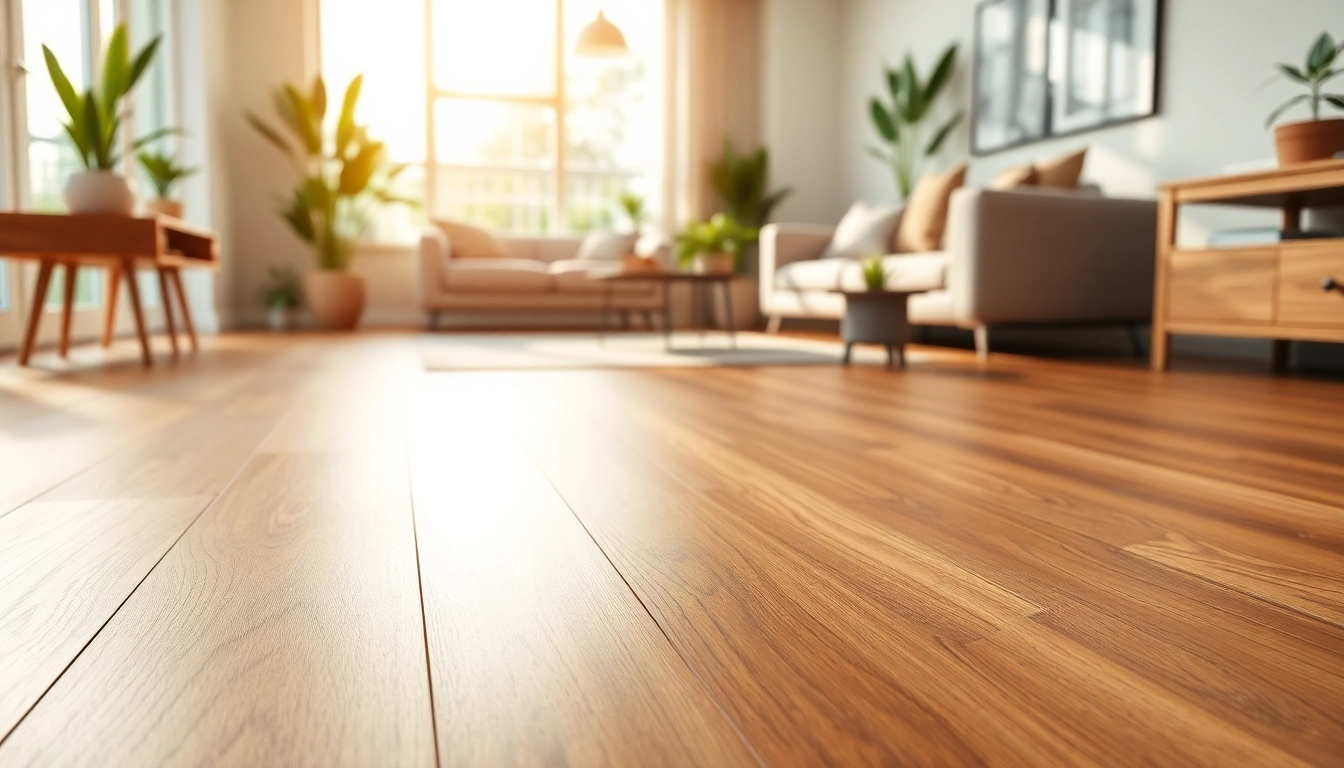
Understanding the Benefits of Vinyl Flooring
Vinyl flooring has emerged as a popular choice for homeowners looking for stylish and practical flooring solutions. This flooring type not only offers a wide range of aesthetic options but also combines functional advantages that can enhance any space. In this comprehensive guide, we will delve into the various benefits of vinyl flooring, exploring its durability, cost-effectiveness, and design versatility. As you consider renovations or new installations, it's essential to understand how vinyl flooring can meet your needs.
Durability and Maintenance of Vinyl Flooring
One of the primary advantages of vinyl flooring is its exceptional durability. Constructed with multiple layers, vinyl flooring is resistant to scratches, dents, and stains, making it an excellent choice for high-traffic areas. In addition, it can withstand heavy furniture without showing wear. This resilience is particularly beneficial for families with children or pets, where floors are often subjected to more significant abuse. Maintaining vinyl flooring is straightforward and hassle-free. Regular cleaning involves simple vacuuming or sweeping to remove dirt and debris, followed by occasional mopping with a mild detergent. Unlike hardwood or carpet, vinyl does not require refinishing or deep cleaning, significantly reducing the maintenance burden on homeowners.
Cost-Effectiveness of Vinyl Flooring
When it comes to budget-friendly flooring options, vinyl flooring stands out. The initial installation cost is generally lower than wood, tile, or other flooring types. Additionally, the longevity and easy maintenance of vinyl flooring contribute to its cost-effectiveness over time. Many high-quality vinyl products come with warranties that range from 10 to 20 years, providing assurance against premature wear. Furthermore, due to its versatility and range of styles, vinyl flooring can replicate the appearance of more expensive materials like hardwood or stone at a fraction of the cost. Thus, homeowners can achieve elegant design aesthetics without straining their budgets.
Design Versatility of Vinyl Flooring
Vinyl flooring is available in an almost endless variety of colors, patterns, and textures. From traditional wood looks to contemporary geometric designs, there’s a vinyl flooring option that can cater to any personal style or home decor. This design versatility enables homeowners to create cohesive looks throughout their spaces, from living rooms to bedrooms and kitchens. Moreover, technology has advanced significantly, allowing for highly realistic designs that mimic the natural beauty of wood grains and stone textures. This means you can enjoy the aesthetic appeal of these materials without the accompanying maintenance concerns.
Choosing the Right Vinyl Flooring for Your Home
With various options available, selecting the right vinyl flooring can seem overwhelming. However, breaking this process down into manageable steps can help streamline your decision-making.
Types of Vinyl Flooring Explained
There are primarily three types of vinyl flooring options available: 1. Vinyl Plank Flooring (LVP): Mimicking the look of hardwood, vinyl plank flooring is composed of individual planks that can be easily installed. Its durability makes it suitable for high-moisture areas. 2. Vinyl Sheet Flooring: This comes in large sheets and is ideal for spaces like bathrooms and kitchens where seamless surfaces are preferred to minimize water intrusion. 3. Vinyl Tiles (LVT): These tiles offer versatility in design and are perfect for creating patterns as well as designs that resemble natural stone or ceramic. Understanding these options can help you make an informed choice about what best suits your living space.
Factors to Consider When Selecting Vinyl Flooring
When deciding on vinyl flooring, consider the following crucial factors: - Room Functionality: Determine the use of the space. For instance, kitchens and bathrooms require waterproof flooring, while living areas may prioritize aesthetics. - Style Preferences: Choose a design that complements your existing decor. Consider the color palette and patterns that work well in your home. - Thickness and Wear Layer: A thicker plank with a robust wear layer will provide more durability, particularly in high-traffic areas. - Installation Methods: Some vinyl types are more DIY-friendly, while others may require professional installation. Evaluate your skills and comfort level with installation. Making note of these factors can ensure that your choice aligns with both practical needs and personal preferences.
Common Mistakes to Avoid with Vinyl Flooring Choices
While selecting vinyl flooring, it's essential to avoid some common missteps: - Ignoring Quality: Opting for the cheapest option can lead to quick wear and a lack of desirable attributes like waterproofing and comfort underfoot. - Underestimating Foot Traffic: Choosing a style that doesn't hold up under the expected wear can lead to premature replacement. - Neglecting Maintenance Requirements: Some vinyl floors may require specific cleaning methods. Always refer to the manufacturer's care instructions to prolong the lifespan of your flooring. Being mindful of these mistakes can save you time, money, and disappointment in your vinyl flooring journey.
Installation Process for Vinyl Flooring
Installing vinyl flooring can be a rewarding DIY project or a simple process for professional installers. Below, we outline the general steps involved, ensuring a successful installation.
Preparing Your Space for Vinyl Flooring Installation
Before installation, it’s essential to prepare the subfloor: 1. Remove Existing Flooring: Clear the area of any existing flooring materials. 2. Repair the Subfloor: Ensure the subfloor is level and structurally sound. Fill in any gaps or holes and sand down rough spots. 3. Clean the Surface: Remove all debris, dust, and cleaners that could affect the adhesion of the new flooring. By preparing your space adequately, you’ll lay the groundwork for a successful installation.
Step-by-Step Vinyl Flooring Installation Guide
Follow these steps for a seamless vinyl flooring installation: 1. Measure and Plan: Measure your room accurately, factoring in how you’ll lay down the flooring for optimal design and functionality. 2. Acclimate the Flooring: Let the vinyl flooring acclimate to your room temperature for at least 48 hours before installation. 3. Install the Flooring: - For planks: Click-lock methods or glue-down approaches can be employed based on your product’s specifications. - For sheet flooring: Cut the sheet to size and adhere it following manufacturers' instructions. - For tiles: Use adhesive and lay them down according to your plan, ensuring tight seams. 4. Finishing Touches: Once installed, use transitions and baseboards to finish the look and cover any gaps. Always refer to the specific installation guides provided by the manufacturer of your chosen vinyl flooring type for best results.
Post-Installation Care for Vinyl Flooring
Once your vinyl flooring is installed, maintaining it is key to its longevity. 1. Initial Cleaning: After installation, sweep away any debris. 2. Regular Maintenance: Implement a cleaning routine that involves frequent sweeping, vacuuming, and damp mopping. 3. Avoid Harsh Chemicals: Use pH-neutral cleaners and avoid abrasive tools that could diminish shine and cause scratches. By adopting these care practices, you’ll ensure your vinyl flooring remains in top condition for years to come.
Innovative Designs with Vinyl Flooring
As trends evolve, vinyl flooring continues to adapt to meet modern aesthetic demands.
Current Trends in Vinyl Flooring
Keep an eye on these trends shaping the future of vinyl flooring: 1. Large Format Tiles: These tiles offer a contemporary look, minimizing grout lines and enhancing the overall aesthetic. 2. Bold Patterns and Colors: More homeowners are embracing vibrant colors and striking patterns, allowing for unique and personalized spaces. 3. Textured Finishes: Add depth and interest to spaces with textured vinyl options that replicate natural materials. Adopting these emerging trends can elevate your interior design, reflecting your personality while maintaining functionality.
Color and Pattern Combinations Using Vinyl Flooring
Vinyl flooring enables countless combinations of colors and patterns. Consider the following tips for successful combinations: - Pair Textures: Combining smooth planks with textured tiles can create a layered effect that enhances the visual appeal. - Use Contrasting Colors: A light floor can enhance darker furniture and vice versa, ensuring the room feels balanced. - Incorporate Accent Areas: Use vinyl tiles with unique patterns to create focal points, breaking the monotony in large rooms. Experimenting with color and patterns allows you to tailor your space to suit your decor ethos.
How Vinyl Flooring Complements Modern Interiors
Vinyl flooring is ideal for modern interiors due to its simplistic yet sophisticated appearance. Here’s how it enhances contemporary spaces: - Minimalist Aesthetics: Vinyl flooring's clean lines and smooth surfaces align perfectly with minimalist designs, promoting an uncluttered look. - Eco-Friendly Options: Today's vinyl products can be made from recycled materials, appealing to eco-conscious homeowners without compromising style. - Functional Versatility: Vinyl can integrate into virtually any room type, from open-concept living areas to cozy bedrooms, also providing comfort underfoot. Incorporating vinyl flooring into your modern interior design creates a seamless, cohesive look while offering practical benefits.
Frequently Asked Questions About Vinyl Flooring
What is the Lifespan of Vinyl Flooring?
Typically, vinyl flooring lasts 10-20 years, depending on quality and maintenance. High-end vinyl can last longer with proper care.
Can Vinyl Flooring Be Installed Over Existing Floors?
Yes, vinyl flooring can be installed over existing floors as long as the surface is clean, level, and structurally sound.
Is Vinyl Flooring Waterproof?
Many vinyl flooring options are waterproof, making them ideal for kitchens and bathrooms. However, always check product specifications.
How to Clean Vinyl Flooring?
For regular cleaning, sweep or vacuum to remove dust, and use a damp mop with a mild cleaning solution for deep cleaning.
Can Vinyl Flooring Be Repaired?
Yes, minor scratches can often be repaired with vinyl floor patches. For significant damage, replacing planks may be necessary.