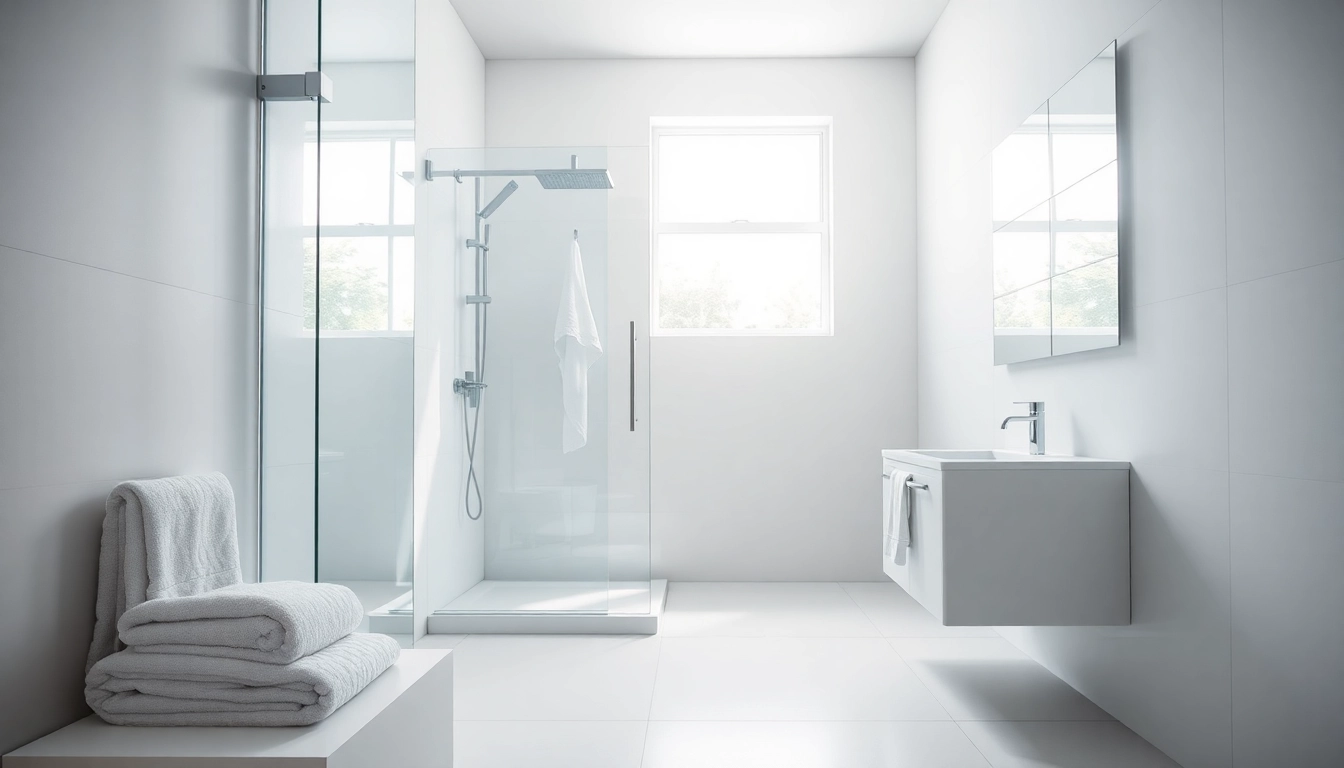
Understanding the Advantages of a Sliding Shower Door
Space Efficiency and Practical Benefits
In today’s world, maximizing space is a key consideration, especially in smaller bathrooms where every inch counts. The sliding shower door stands out as an ideal choice for space efficiency. Unlike traditional hinged doors, which require a certain amount of floor space to swing open, sliding doors operate on a track system that allows them to glide smoothly side to side. This feature eliminates the additional clearance space needed for door swings, making them a perfect fit for compact bathrooms.
In addition to their space-saving design, sliding shower doors are known for their practicality. They simplify the flow of movement within the bathroom, ensuring easy access in and out of the shower. They are designed to be user-friendly, even for those with limited mobility. Essentially, sliding shower doors enhance convenience in daily routines without compromising on style.
Design Versatility for Various Bathroom Styles
The versatility of sliding shower doors extends beyond just functionality; these doors come in a wide range of designs, materials, and finishes. Whether you have a modern, minimalist bathroom or a traditional, ornate space, there’s a sliding shower door that will complement your aesthetic. Framed options provide a more classic look, while frameless designs offer a sleek and contemporary feel that beautifully showcases tile work or intricate wall decor.
Furthermore, the availability of various glass types—clear, frosted, or textured—allows homeowners to personalize their space while providing varying levels of privacy. The flexibility to choose hardware finishes, from chrome to matte black, further enhances customization, making it easy to find a sliding door that seamlessly integrates with existing fixtures and decor.
Ease of Use and Accessibility Features
One of the key advantages of a sliding shower door is its ease of use. With a simple push or pull, users can glide the door open or closed, making it an effortless task, particularly appreciated by elderly individuals or those with disabilities. This ease of access is a significant factor in modern bathroom design, where functionality goes hand in hand with comfort.
Accessibility features can be further enhanced by selecting models with additional safety features, such as coded locking systems or easy-grip handles, ensuring all users can enjoy a pleasant, worry-free showering experience. Moreover, for families with young children, sliding shower doors reduce the risk of accidental injuries that oftentimes accompany traditional swinging doors.
Material Options for Sliding Shower Doors
Framed vs. Frameless Sliding Shower Doors
When it comes to selecting the right sliding shower door, understanding the difference between framed and frameless options is crucial. Framed sliding doors typically consist of a metal support structure surrounding the glass panels. This design not only adds durability but also provides more options for decorative finishes. However, while they might offer better structural integrity, they can sometimes feel bulkier and less modern.
On the other hand, frameless sliding shower doors are crafted from thick tempered glass and rely on minimal hardware for support. This type of design lends itself to a much airier, open feel within the shower area, creating the illusion of more space. A frameless door can accentuate the beauty of surrounding tile work and custom designs, making it a popular choice among those aiming for a high-end or custom contractor look.
Selecting the Right Glass Thickness
The thickness of the glass in your sliding shower door system plays a significant role in both aesthetics and safety. Most manufacturers offer glass thickness options ranging from 3/8 inch to 1/2 inch. Thicker glass provides greater durability, resistance to breakage, and a more premium feel. While 3/8-inch glass is generally acceptable for lighter, less frequently used sliding doors, opting for 1/2-inch glass ensures a more robust choice for high-traffic bathrooms.
Additionally, thicker glass doors tend to reduce noise while in use and may provide a more stable installation compared to their thinner counterparts. It’s essential to consider the weight difference as well; thicker glass requires sturdier tracks and mechanisms, potentially increasing the complexity of installation.
Finishes and Hardware Considerations
Choosing the right finishes and hardware is integral to the overall design of your sliding shower door. From robust stainless steel to elegant brass, the metal finishes contribute not just to the functionality but also to the aesthetic appeal of the door. Brushed finishes tend to be more forgiving of water stains compared to polished options, making them a practical choice for high-moisture environments.
Moreover, selecting the right hardware, including rollers, handles, and tracks, is vital for ensuring the smooth operation and longevity of a sliding shower door. High-quality rollers made from durable materials can provide frictionless movement, preventing the common issue of sticking or jamming over time. Investing in superior hardware also reduces maintenance needs, ultimately providing a better shower experience.
Installation Guide for Sliding Shower Doors
Preparation and Essential Tools
Installing a sliding shower door can be a rewarding DIY project, provided you are equipped with the necessary tools and preparation. The essential tools for the installation include a level, measuring tape, stud finder, power drill, and a screwdriver. It’s crucial to gather all components as outlined in the manufacturer’s installation instructions, including brackets, tracks, and seals, before you begin. Safety equipment such as gloves and eye protection should also be used to prevent injuries during installation.
Before starting, ensure that your existing shower area is clean and dry, and assess the walls to confirm they are plumb. Any uneven surfaces may necessitate adjustments to the door itself or the installation method. Additionally, always measure the height and width of your shower opening accurately, accounting for any trim work or tile thickness that may affect door sizing.
Step-by-Step Installation Process
Installing a sliding shower door typically involves the following steps:
- Begin by installing the top rail, ensuring it is level.
- Next, attach the bottom track at the base of the shower opening, ensuring it aligns with the top rail.
- Attach the door rollers according to manufacturer specifications.
- Hang the doors by fitting the rollers into the tracks and adjusting for a tight yet smooth movement.
- Seal the edges of the shower door with silicone to prevent water leakage.
Following these steps will help ensure a successful and aesthetically pleasing installation. Take your time, double-check measurements, and refer to the manual for specific details related to your door model.
Common Installation Mistakes to Avoid
Common mistakes during the installation of sliding shower doors can lead to improper functionality or costly repairs. One notable error is failing to level the tracks accurately, which can cause doors to slide unevenly. Another mistake is neglecting to account for the thickness of the wall and tile when measuring for the door, resulting in gaps or an improper fit.
Additionally, using inadequate sealing methods can lead to water leaks. Always ensure that you apply the appropriate waterproof sealant to both the bottom track and around the edges of the door. It might also be beneficial to have a second set of hands during installation for lifting and guiding the doors into place, as they can be heavy and awkward to maneuver.
Maintenance Tips for Your Sliding Shower Door
Regular Cleaning and Care Guidelines
To maintain the elegance and functionality of your sliding shower door, establish a regular cleaning routine. It’s advisable to wipe down the glass and tracks with a soft cloth after each use to prevent water spots and soap scum build-up. A mixture of vinegar and water works effectively for cleaning glass surfaces while being gentle on the finish of the hardware.
For the tracks, consider using a small brush or an old toothbrush to reach into corners and remove debris. Periodic deep cleaning with a commercial glass cleaner and a squeegee will keep the entire system looking new and functional. Additionally, be sure to check the seals and hardware periodically for signs of wear or damage, addressing any issues promptly.
Handling Minor Repairs and Adjustments
Even with proper maintenance, you may encounter minor issues with your sliding shower door. If you notice sticking or difficulty in sliding, cleaning the rollers and tracks is often the first solution. Applying a silicone-based lubricant can also help keep the mechanisms running smoothly.
If your door starts to sag or misalign, it may be necessary to adjust the rollers. Many roller systems allow for height adjustments via an adjustment screw, so refer to the manufacturer’s instructions for the proper method. If any seals have worn out or cracked, replacing them promptly helps prevent water leaks and maintains the structural integrity of your shower area.
Long-term Care for Glass Surfaces
For long-term preservation of glass surfaces, consider applying a glass treatment product specifically designed to repel water and reduce staining. These treatments create a protective barrier that minimizes the need for frequent cleaning and helps prolong the life of the glass. Always adhere to the manufacturer’s instructions when applying any protective coatings.
Avoid using abrasive cleaners or scrub pads, as these can scratch or damage the glass surface over time. By maintaining a consistent cleaning and care routine, you’ll enjoy a pristine sliding shower door for years to come.
Frequently Asked Questions about Sliding Shower Doors
What is the average cost of a sliding shower door?
The average cost can range from $700 to $2,000 depending on size and material. Frameless designs tend to be more expensive.
Are sliding shower doors a good choice for small bathrooms?
Yes, sliding shower doors are ideal for small bathrooms since they do not require additional space to swing open, allowing for more efficient use of space.
How do I choose the right sliding shower door size?
Measure the width and height of your shower opening carefully, ensuring to account for any trim work or tiling to ensure a proper fit.
What maintenance do sliding shower doors require?
Regular cleaning with vinegar-based solutions and checking for debris in the tracks are essential. Additionally, lubricate the rollers as needed.
Can I install a sliding shower door myself?
Yes, if you have basic skills and tools, you can install a sliding shower door yourself by following manufacturer instructions and using proper techniques.