The Basics of Railroad Construction
Railroad construction integrates a myriad of complex processes, materials, and technologies to establish efficient rail systems that bolster transportation networks across regions. This essential infrastructure revolves around formidable planning and engineering to remain sustainable and effective. Understanding these elements is key for stakeholders involved in Railroad Construction.
Understanding Railroad Infrastructure
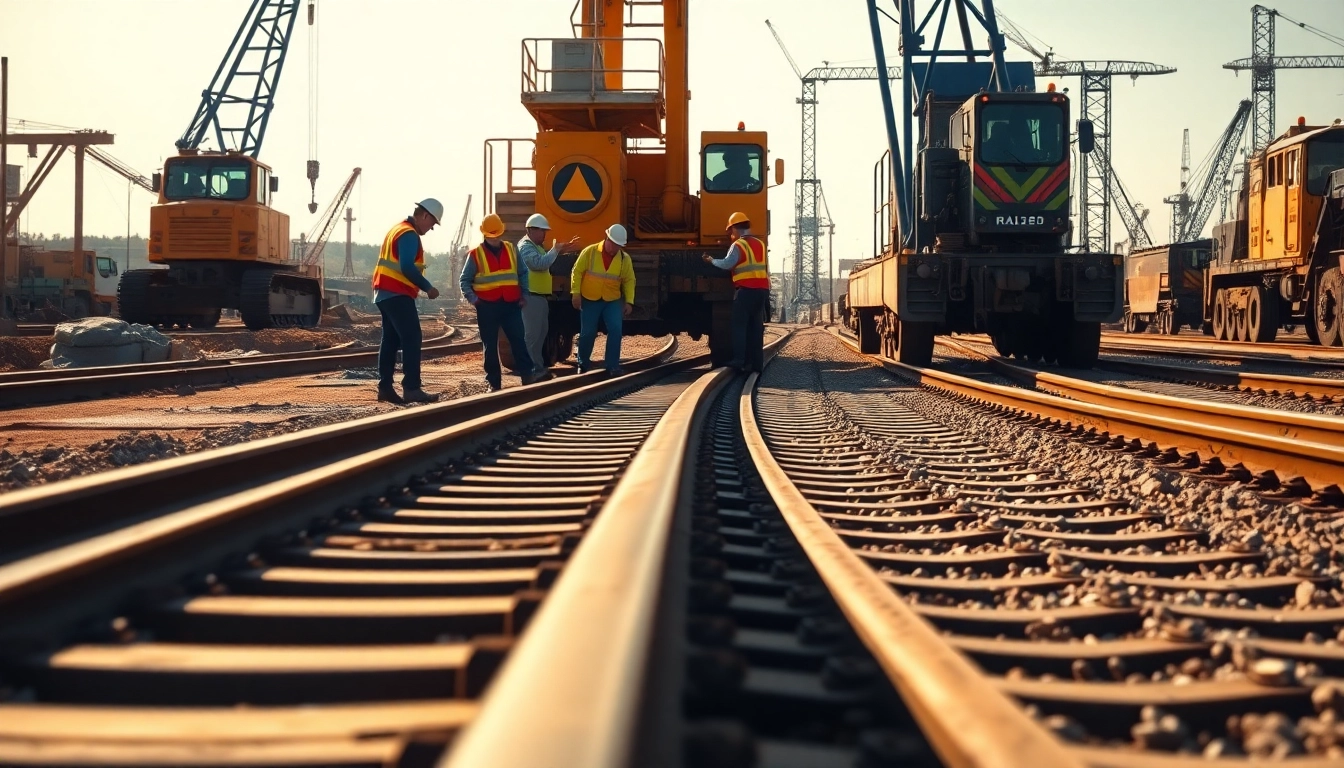
Railroad infrastructure comprises various components, each critical to the operation and safety of train systems. The main elements include tracks, bridges, tunnels, signals, and stations. Tracks, typically made of steel rails supported by ties and ballast, form the backbone of rail systems. Bridges facilitate crossing bodies of water or uneven terrain, while tunnels are vital for traversing mountains or urban landscapes. Signals and stations are crucial for ensuring safe and efficient passenger and freight movement. Understanding the interaction and integration of these components allows for a more comprehensive grasp of railroad construction.
Key Materials Used in Railroad Construction
The materials utilized in railroad construction play a pivotal role in determining the durability and efficiency of the infrastructure. The primary materials include:
- Steel Rails: Integral to the railway track, steel provides strength and longevity.
- Concrete Ties: These are preferred for their durability compared to wooden ties, providing better stability and reduced maintenance.
- Ballast: Composed mainly of crushed stone, ballast allows for water drainage while providing support for the tracks.
- Grading Materials: These materials are essential for earthwork, serving as the foundation upon which tracks are laid.
Selecting the appropriate materials is crucial for ensuring stability and longevity while minimizing maintenance costs over time.
Phases of Railroad Construction
Railroad construction unfolds through several distinct phases, each requiring meticulous planning and execution:
- Planning and Design: This initial phase involves the assessment of land, environmental impacts, cost estimations, and stakeholder consultations.
- Site Preparation: Clearing and grading the land to prepare for track laying. Proper drainage solutions are designed during this phase.
- Track Laying: The installation of rails, ties, and ballast follows site preparation, where precision is imperative for operational safety.
- Signal and Safety Systems Installation: This step integrates safety mechanisms to prevent collisions and ensure efficient management of train movements.
- Testing and Commissioning: Before full operational deployment, rigorous testing must validate the integrity and safety of the constructed system.
Successful completion of each phase is critical to the overall project’s delivery within budget and on schedule.
Importance of Railroad Construction
Investing in railroad construction has substantial consequences for economic growth and environmental sustainability. The significance of constructing durable rail systems cannot be overstated. These systems play a vital role in supporting the movement of freight and passengers across vast distances efficiently.
Economic Benefits of Railroad Construction
Railroad construction contributes significantly to local and national economies. The transportation of goods via rail is more efficient than truck freight, offering lower environmental impact and reduced costs. Furthermore, well-constructed rail lines facilitate trade, create jobs, and improve access to markets. Notably, investments in rail infrastructure lead to enhanced property values, attracting businesses and populations to surrounding areas.
Environmental Considerations
The environmental footprint of transportation systems poses a challenge, and railroad construction provides a more sustainable alternative to highways. Rail networks significantly reduce carbon emissions by decreasing fuel consumption per ton-mile traveled when compared to trucking. Moreover, the land used for rail can often be less than that required for roadways, preserving habitats and promoting smart land-use practices.
Impact on Transportation Efficiency
Railroads offer reliable transportation that enhances daily commutes and long-haul shipping. Railroad construction mitigates road congestion, allowing for a smoother flow of goods and passengers. Efficient rail systems increase the speed of transport and provide an economical solution for bulk shipments, ultimately resulting in a more sustainable logistics network. Consistent time schedules and higher capacity trains also contribute to improved transportation efficiency.
Challenges in Railroad Construction
Despite the clear advantages, challenges in railroad construction persist. Understanding these challenges is critical for stakeholders and decision-makers to navigate the complexities of building and maintaining railroad infrastructures.
Regulatory Hurdles in Railroad Construction
Railroad construction is heavily regulated, with federal, state, and local jurisdictions impacting timelines and project scope. Permitting processes can be protracted, often requiring extensive planning, environmental reviews, and community input. Navigating these regulations necessitates skilled legal and technical teams who can work alongside government agencies to ensure compliance while enhancing project timelines.
Technological Limitations
The construction sector has traditionally lagged in adopting new technologies. Though advancements such as 3D modeling and geospatial analytics show promise, there’s often hesitance to invest due to budget constraints or resistance to change. Overcoming this inertia is crucial for enhancing the efficiency of railroad construction, necessitating education and convincing stakeholders of the long-term value of incorporating new technologies.
Safety Concerns on Construction Sites
Safety remains a paramount concern on any construction site, including railroad projects. High-risk activities involving heavy machinery, trenching, and working in proximity to existing rail lines warrant rigorous safety protocols. Developing a culture of safety through training, adherence to regulations, and regular inspections fosters a safer working environment, leading to fewer accidents and project delays.
Modern Techniques in Railroad Construction
The railroad construction industry is evolving, harnessing innovative techniques that enhance efficiency, sustainability, and overall quality. Modern methodologies are transforming the way railroads are designed, constructed, and maintained.
Innovative Materials in Railroad Construction
Advancements in material science have introduced innovative materials such as composite ties, which boast advantages over traditional wood and concrete. Lightweight, high-durability solutions provide options that lower maintenance needs and extend the lifespan of infrastructure. Further, recycled materials are increasingly being utilized, promoting sustainability within the construction process.
Automation and Digital Tools
The integration of automation has revolutionized the construction processes, ranging from automated track laying machines to drones for surveying terrain. Utilizing digital tools helps streamline communication, allowing stakeholders to collaborate effectively throughout the project lifecycle. Consequently, this results in minimized construction errors and maximized resource utilization.
Sustainable Practices in Railroad Construction
Emphasizing sustainability in railroad construction has seen the incorporation of practices that reduce environmental impacts. Energy-efficient machinery, sustainable sourcing of materials, and practices that minimize waste and water usage are becoming common in contemporary projects. Establishing sustainability metrics supports the monitoring of a project’s environmental footprint throughout its lifecycle.
Future Trends in Railroad Construction
The railroad construction industry is evolving rapidly. As societal and technological landscapes shift, so too do the trends impacting the sector. Understanding these emerging trends is crucial for future planning and execution.
Advancements in Construction Technology
Technology will continue to drive advancements in railroad construction. Innovations such as modular construction and digital twins—virtual recreations of physical infrastructure—promise to enhance project efficiency. The adoption of real-time monitoring systems will increase accountability, facilitating instant adjustments to project management.
Smart Infrastructure Developments
The push towards smart infrastructure leverages IoT and big data to create rail systems that are not only reactive but also predictive. Systems capable of analyzing data from sensors and automating responses will enhance operational efficiency and safety protocols. This development necessitates investments in technology and training for personnel on the functionalities of these advanced systems.
Projected Growth in Railroad Construction
As the demand for sustainable transportation solutions grows, the railroad construction sector is expected to experience significant growth. Investment in public transit and freight rail systems presents opportunities for stakeholders across the supply chain, enhancing not only the commuter experience but also unlocking economic potential across regions. Proactive strategies will be needed to capitalize on these trends effectively.
FAQs
What is railroad construction?
Railroad construction involves building tracks, bridges, tunnels, and stations essential for transporting passengers and freight efficiently.
What materials are used in railroad construction?
Common materials include steel rails, concrete ties, crushed stone for ballast, and various grading materials for foundations.
What are the phases of railroad construction?
The typical phases include planning and design, site preparation, track laying, signal installation, and testing.
What challenges are faced in railroad construction?
Challenges include regulatory hurdles, technological limitations, safety concerns, and environmental considerations.
How is technology impacting railroad construction?
Technology enhances railroad construction through automation, digital tools, and the use of innovative materials, leading to increased efficiency.